
 Mon - Sun 8:00 - 19:00
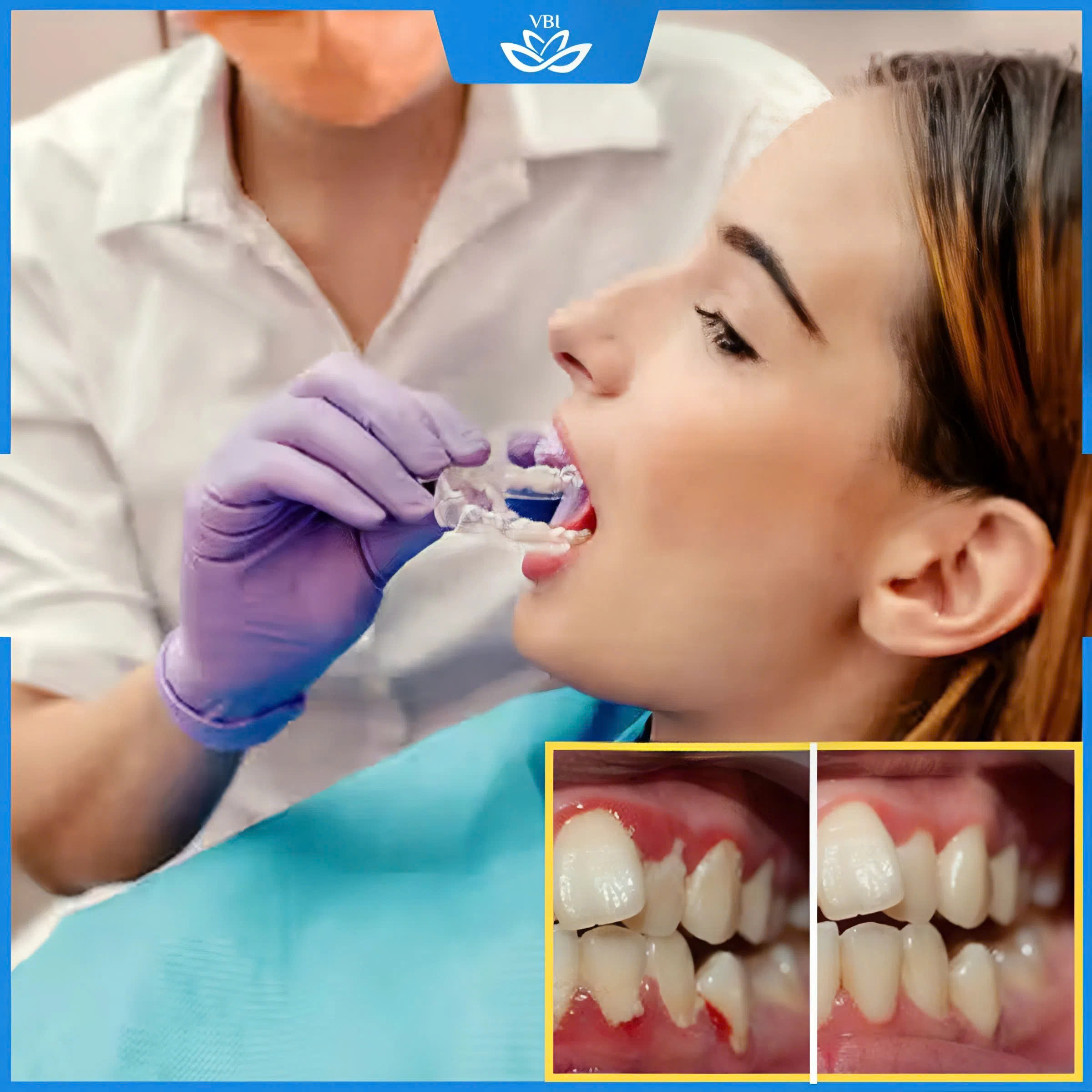
In medicine, periodontology is defined as the study of the group of tissues surrounding the jaw that help hold teeth in place. When periodontitis occurs, it can lead to other oral health problems. So, what specific periodontal diseases can occur and how are they related to oral health? Join Viet Bi in reading this article by Dr. Hang about periodontology to better understand this topic.
What is the periodontium? Structure and function
Structure of the periodontium
The periodontal tissue is a complex of biological tissues located on the jaw and surrounding the teeth. This tissue system functions to stabilize and support the shaping and fixing of teeth in their position. As a result, teeth are strong and less prone to infection due to the protection of this periodontal system.
Specifically, the structure of the periodontal tissues consists of the following parts:
-
Gums: Gums are the soft tissue surrounding the base of the teeth, playing a role in protecting the teeth and jawbone from bacteria. Healthy gums are light pink, firm, and do not bleed when brushing. Gingivitis is a common condition caused by bacterial plaque buildup, resulting in swelling, redness, bleeding, and bad breath.
- Dental cement: This is a hard tissue layer covering the tooth root, anchoring and holding the tooth firmly in the alveolar bone with the periodontal ligament. Unlike enamel, cement can partially regenerate when damaged. However, when experiencing gum recession or periodontal inflammation, the cement layer can wear away, making the tooth more sensitive.
- Periodontal ligament: This is a system of connective fibers between the dental cement and the alveolar bone, helping to hold the tooth firmly in the jaw and absorb chewing forces. It also provides sensation to the tooth, helping to detect pressure during chewing. Periodontal ligament problems often occur if the patient has periodontal inflammation.
- Alveolar bone: This is the part of the jawbone that surrounds and supports the tooth root, helping the tooth stand firmly in the mouth. The alveolar bone is closely connected to the periodontal ligament and can regenerate during chewing. Alveolar bone loss makes it more difficult to implant a tooth for patients who need one.
Functions of the periodontium
The function of the periodontal system is often closely related to dental health and problems such as:
- Tooth stabilization: Improves tooth stability and partially supports the patient’s ability to improve their bite.
- Reduces chewing pressure: Distributes and reduces pressure on the jaw and weak tissues in the jaw during eating and chewing.
- Protects teeth: Prevents bacteria and provides basic protection for teeth against external factors.
- Tissue regeneration: Supports the recovery of damaged gum and bone tissues.
Why should you have regular dental checkups?
Regular periodontal care is the best way to maintain good oral health. The gums act as a crucial buffer in the main functions of the jaw, such as chewing. Regular care helps prevent the risk of periodontal diseases and ensures optimal oral health and aesthetics.
Some of the advantages and benefits of regular periodontal care include:
- Preventing periodontal inflammation: Proper oral hygiene helps reduce bacterial plaque, preventing gingivitis and periodontal disease.
- Keeping teeth strong: Healthy gums help teeth stay firmly in place, preventing loosening or tooth loss.
- Reducing bone loss risk: Chronic periodontal disease increases the risk of alveolar bone loss, making future dental implants more difficult.
- Fresh breath: Eliminating bacteria and plaque effectively reduces bad breath.
While it’s important, some signs of periodontal disease can be difficult to recognize in the early stages. Join Dr. Hang and Viet Bi to learn about the signs of periodontal disease and how to treat it in the next part of this article!!!
Common periodontal diseases
Signs of periodontal disease
Normal and healthy gums are characterized by tightly covering the base of the teeth, a natural pink color, and no other abnormalities. Conditions considered abnormal and signs of periodontal disease include:
-
Gums that bleed easily: Everyday activities like brushing your teeth or chewing hard objects that cause your gums to bleed easily are a sign of periodontal disease.
- Abnormal gum color: Notice that the gums are a different color than usual, possibly dark red or pale.
- Gum recession: The gums no longer adhere tightly to the tooth roots, gradually revealing gaps.
- Bad breath: Unusual and persistent bad breath can also be caused by periodontal problems.
Statistics show that out of every 10 periodontal service cases at Viet Bi Dental Clinic, 7 cases involve advanced gum disease requiring prolonged treatment. Therefore, please pay closer attention to the signs of periodontal disease to address them early and avoid complications.
Periodontitis
Periodontitis is a typical example of common periodontal diseases today. It is a manifestation of a serious infection in the gum area and damages the area surrounding the tooth roots. If this condition persists for a long time, it can lead to loose teeth, tooth loss, and damage to the alveolar bone.
Gingivitis
Gingivitis is a condition caused by excessive and prolonged plaque buildup on the teeth. It results in bleeding gums and redness and swelling of the gums around the teeth. This condition is easily treatable, but it can progress to periodontitis if left untreated for a long time.
Dental cement hyperplasia
Dental cement is the main factor in the calcification process in human teeth. If too much cement accumulates at the root of the tooth, it will alter the structure of the jawbone and teeth to a certain extent.
Peri-implant inflammation
Readers who have researched the dental implant process will know that there is always a space under the implant post during the procedure. Patients who do not take careful care of their oral hygiene after implantation often experience inflammation. The main reason is that food and bacteria accumulate in these gaps and crevices, gradually causing inflammation around the implant.
Periodontal abscess
Periodontal abscess is a manifestation of localized infection in the area surrounding the tooth. Specifically, the infection occurs in the connective tissues of the periodontal pockets. This condition causes rapid degeneration of the alveolar bone around the tooth.
Statistics in the US market show that periodontal abscesses account for 7 to 14% of dental emergencies.
Periodontal treatment at Viet Bi Dental Clinic
Viet Bi – Professional dental system in Hanoi
Viet-Bi Dental Clinic is a professional private dental system established in July 2023 by Dr. Nguyen Thi Thu Hang (Specialist Level I, Hanoi Medical University). Through years of operation and patient care, the system has gradually affirmed its role and value in the field of dentistry in Hanoi.
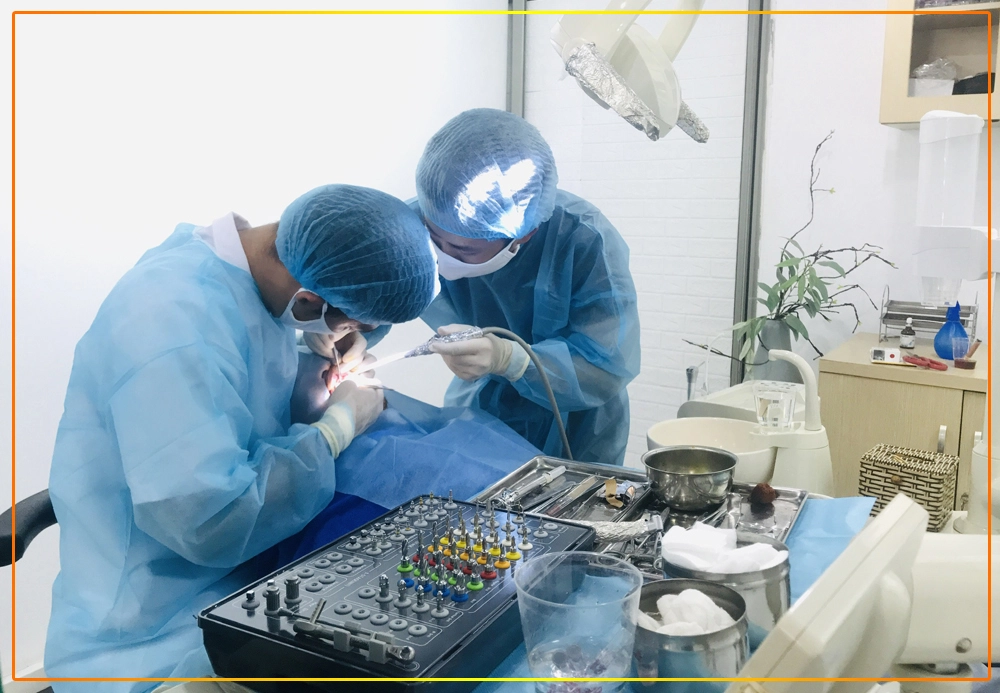
With a philosophy of prioritizing quality and the expertise of its doctors, Viet Bi Dental Clinic has an extremely rigorous selection process for dentists and technicians. Specifically, Viet Bi Dental Clinic requires dentists, technicians, and oral and maxillofacial specialists to have graduated with honors or higher to be able to work with clients. Clients can rest assured when choosing services at Viet Bi Dental Clinic.
According to Viet Bi’s records, periodontal problems account for more than 17% of all clients experiencing dental infections. While not extremely dangerous to health, periodontal disease causes discomfort and significant inconvenience for those who unfortunately suffer from it. Clients should consider getting checked and treated early to avoid complications that negatively affect their jaw and chewing ability. For further advice on symptoms or examination costs, please call our hotline: 0962340588.
Periodontal disease treatment methods at Viet Bi Clinic
Essentially, the process of treating periodontal disease at Viet Bi Dental Clinic is divided into two main steps: emergency treatment and root cause treatment.
Emergency response:
- Hygiene: Thoroughly clean the area to be treated in preparation for subsequent procedures.
- Invasive procedure: Incise the duct and remove any remaining pus along the incision.
- Disinfection: Use antibiotics (and painkillers if needed) to alleviate pain and infection in the periodontal area.
Complete periodontal treatment:
- Addressing the risk of infection: Removing tartar, scaling, or other factors that pose a risk of reinfection to the periodontal tissues.
- Treating the underlying condition: Treating cavities and any complications to prevent the risk of periodontal infection from within.
-
Bone improvement: If severe periodontal disease affects the alveolar bone, grafting and strengthening the alveolar bone density are necessary.
Depending on the severity and stage of the patient’s periodontal disease, the dentist may consider additional procedures such as gingival flap grafting (in cases of gum recession), periodontal pocket curettage, etc.
Join Viet Bi in preventing periodontal disease
Periodontal disease is primarily caused by bacterial infection, therefore Viet Bi always recommends preventive measures through good oral hygiene. Specifically, maintaining good oral hygiene and limiting the consumption of foods and drinks high in acid that are harmful to tooth enamel and the oral environment are crucial.
The above is complete information about the examination and treatment services for periodontal problems and diseases at Viet Bi. Customers interested or experiencing problems can contact our hotline at 0962340588 or fill out the information form below to receive detailed and comprehensive advice from our dentists.





There are no reviews yet.