
 Mon - Sun 8:00 - 19:00
When searching for the best dental implants abroad, you face a critical decision. It is no longer just about finding the cheapest price tag. The global landscape has shifted. Patients from Australia, the United States, and the United Kingdom are prioritizing advanced clinical expertise and stringent safety protocols over simple cost savings. We see this firsthand. Every week, patients arrive at our clinic expecting world-class surgical precision. They demand transparency. They want proven results. In 2026, Vietnam has rapidly emerged as the premier destination for complex restorative dentistry. Why? Because the country successfully combined premium medical technology with unbeatable affordability. You get access to leading implant brands like Straumann and Nobel Biocare. You benefit from cutting-edge 3D Cone-Beam Computed Tomography (CBCT) and dynamic surgical navigation. Meanwhile, you avoid the inflated premium markups found in older hubs. This comprehensive guide breaks down the true cost, safety standards, and technological advancements across top international dental hubs, helping you make an informed choice for your health.
The global dental tourism market is projected to reach $53.2 billion by 2033, according to comprehensive industry reports from Future Market Insights. Within this expanding sector, the Asia-Pacific region commands up to 47% of total market revenue. Vietnam ranks among the top two global destinations for clinical quality and pricing in 2026, based on a comparative study across eight countries by SmileJet. Furthermore, over 79,000 international dental tourists visited Vietnam in 2025, validating its highly established healthcare infrastructure. Patients traveling from high-income nations routinely achieve 50% to 80% cost savings on comprehensive implant procedures without compromising on structural material integrity.
The Evolution of Dental Tourism Destinations in 2026
The hierarchy of international dental hubs has fundamentally changed. Previously, patients flocked to border clinics for quick fixes. Today, the focus is entirely on premium, specialized care. Modern dental tourism destinations compete heavily on long-term clinical outcomes, specialized surgical teams, and transparent digital workflows. You are no longer compromising on quality. You are accessing elite medical ecosystems that rival or exceed the regulatory standards of your home country.
The structural crisis in Western healthcare has reached a tipping point. In nations like Australia, the United States, and the United Kingdom, hyper-inflation, exorbitant clinic overheads, and astronomical medical liability insurance premiums have pushed fundamental restorative procedures completely out of reach. For the average citizen, losing a tooth equates to a financial catastrophe. Private health insurance simply does not cover the extensive costs of full-arch rehabilitations. The system is broken.
Consequently, the demographics of medical travelers have evolved. We are no longer seeing just budget-conscious backpackers. Today, highly educated professionals, retirees managing their Superannuation funds, and corporate executives are thoroughly researching dental tourism destinations to secure complex care. They are analyzing clinical data. They are demanding proof of competence.
In this fiercely competitive global matrix, the ranking of top countries has stabilized around a few key players. Mexico dominates the North American market purely due to border proximity. Turkey aggressive markets to the European and Middle Eastern sectors. However, for patients prioritizing absolute clinical precision, advanced technology, and a restorative recovery environment, the Asia-Pacific region remains undisputed. Within this region, the historical dominance of older hubs is being aggressively challenged by the rapid rise of Vietnam. The country has systematically upgraded its medical infrastructure, investing billions into digital dentistry and international training for its surgical specialists.
To understand this shift, visualizing the data is crucial. Here is how top global markets stack up in 2026.
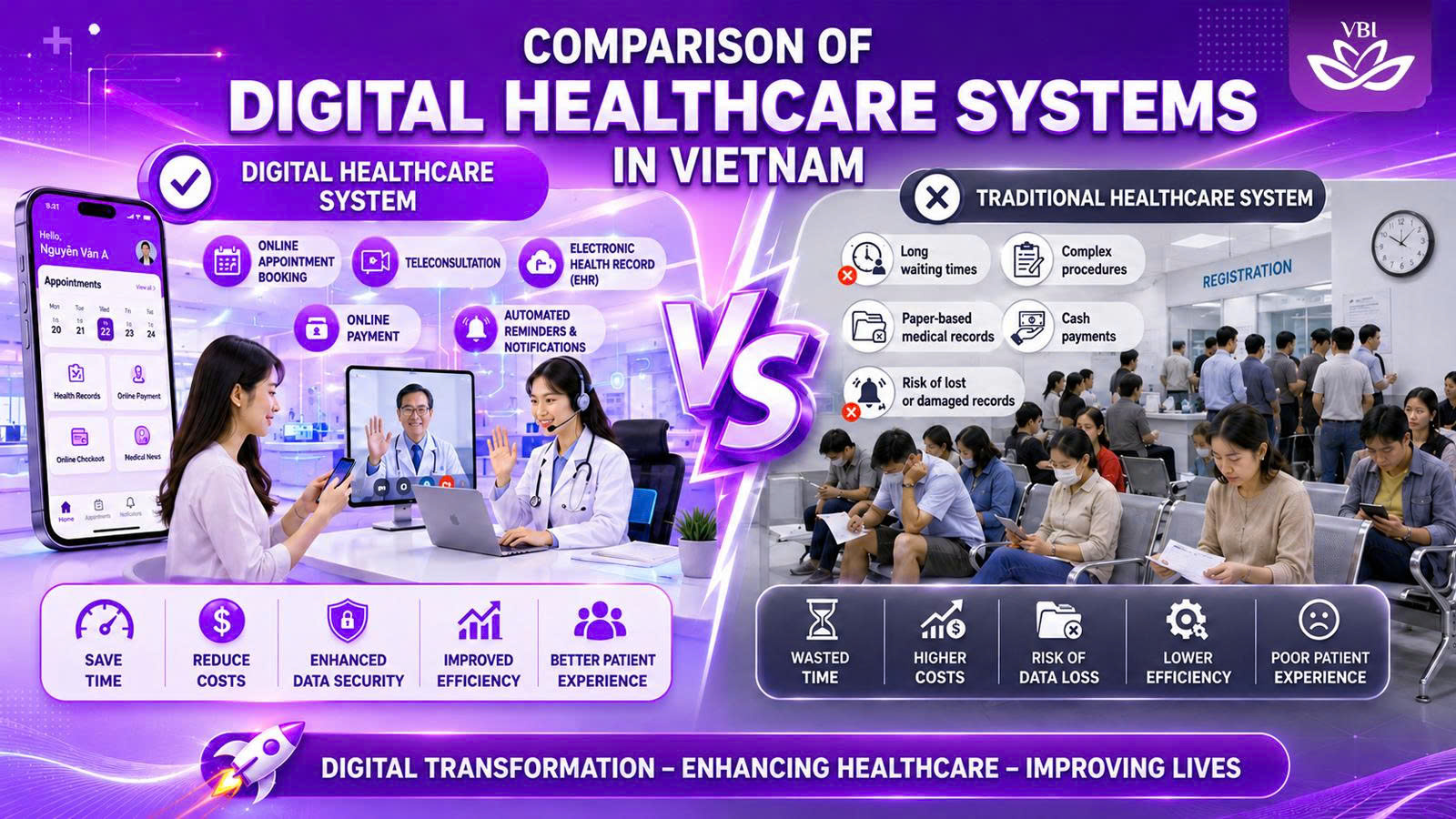
Vietnam vs Thailand Dental: The Definitive Comparison
When evaluating vietnam vs thailand dental options, the core difference lies in the value-to-technology ratio. Both nations offer exceptional clinical care. However, Vietnam provides identical premium implant systems and digital workflows at a substantially lower cost. Thailand carries a historical premium markup. Comparing vietnam vs thailand dental tourism reveals a shift towards advanced digital dentistry in Vietnam without the inflated price tag.
For over a decade, Thailand held the undisputed title of Asia’s medical tourism capital. Clinics in Bangkok and Phuket built massive infrastructures catering specifically to foreign patients. They set a high standard. However, this maturity led to institutionalized premium pricing. As their marketing budgets swelled and central Bangkok real estate prices skyrocketed, those operational costs were inevitably passed down to the patient.
Vietnam recognized this structural vulnerability. By entering the premium market during an era of mature digital dentistry, Vietnamese clinics skipped the analog phase entirely. We invested directly in the newest CAD/CAM (Computer-Aided Design and Computer-Aided Manufacturing) technologies and 3D printing capabilities. Because the overall cost of living, commercial real estate, and laboratory operational costs in Hanoi and Da Nang are approximately 20% to 30% lower than in Bangkok, the final price to the patient is drastically reduced.
Let’s look at the hard numbers. For a standard single implant utilizing a premium European brand, a patient in Thailand can expect to pay between $2,000 and $3,200. In Vietnam, that exact same surgical fixture, placed by a similarly credentialed surgeon, costs between $1,500 and $2,500. You save immediately.
The financial gap widens exponentially as case complexity increases. Consider a patient requiring a full-mouth rehabilitation—the highly sought-after All-on-4 procedure using a Zirconia prosthetic bridge. In Thailand, treating both the upper and lower arches costs between $18,000 and $22,000. In Vietnam, the exact same dual-arch protocol ranges from $13,500 to $15,000. Even after factoring in a 12-day luxury stay, flights, and daily expenses, choosing Vietnam over Thailand results in a net cash savings of $4,716 to $7,260.
You are not paying for better titanium in Thailand. You are paying for higher rent.
Premium Technologies: Why Quality Tops the Agenda
Clinical excellence relies entirely on sophisticated technology. You cannot achieve safe, predictable implant results without it. When searching for the best dental implants abroad patients are prioritizing clinical expertise over just cheap prices. We utilize in-house CBCT scanners for flawless 3D bone mapping. Dynamic surgical navigation systems ensure pinpoint accuracy. This technological foundation eliminates guesswork, protects vital nerves, and guarantees your long-term safety.
The era of placing implants using two-dimensional panoramic X-rays is over. It is clinically reckless. A 2D image cannot reveal the exact buccal-lingual width of your jawbone. It cannot map the precise three-dimensional trajectory of the inferior alveolar nerve. If a surgeon attempts to drill into the mandible without this volumetric data, the risk of nerve severing—leading to permanent facial paralysis—is unacceptably high.
This is why top-tier Vietnamese clinics mandate the use of in-house CBCT (Cone-Beam Computed Tomography). Before any scalpel touches tissue, we capture a high-resolution, 360-degree digital replica of your craniofacial structure. Our surgeons digitally plan the exact angulation, depth, and diameter of every single implant on a computer screen.
Furthermore, we employ dynamic surgical navigation. Think of it as a GPS system for dental surgery. Devices like the X-Guide track the surgeon’s drill in real-time against the 3D CBCT scan, providing sub-millimeter visual feedback. This technology allows for minimally invasive “flapless” surgeries, where no incisions are made in the gums. Less tissue trauma equals zero pain, zero swelling, and an incredibly fast healing timeline.
Material science is equally critical. You must demand premium implant brands. We strictly utilize fixtures from Straumann (Switzerland) and Nobel Biocare (Sweden). These aren’t generic pieces of metal. They are highly engineered, SLA-Active treated, commercially pure Titanium (Grade 4) or Titanium alloy (Grade 5) structures. Their microscopic surface topography actively stimulates osteoblasts (bone-building cells), dramatically accelerating the biological process of osseointegration.
To truly grasp the impact of these technologies, seeing the surgical environment is essential.
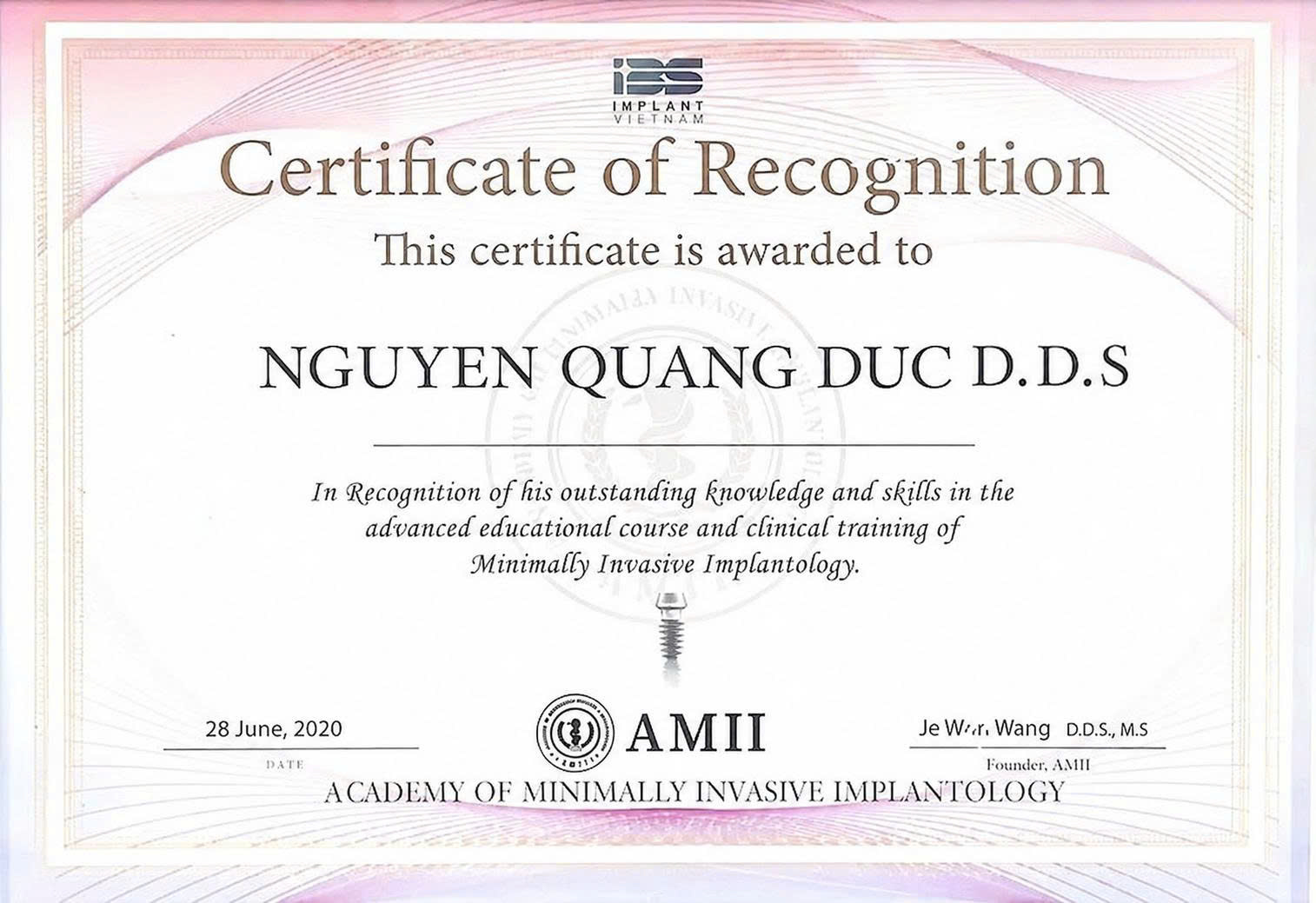
Global Standards: Sterilization and Infection Control
Cross-infection control is the absolute baseline of safe healthcare. You must verify a clinic’s sterilization protocols before sitting in the surgical chair. Reputable international facilities adhere strictly to AAMI standards. High-vacuum Class B autoclaves completely eradicate bloodborne pathogens. We never compromise on hygiene. Your surgical environment is maintained with hospital-grade rigor, ensuring a zero-risk healing process for complex bone grafting and implantology.
A beautiful clinic lobby means nothing if the sterilization room is compromised. In our actual clinical practice, we observe that highly educated expatriates and tourists ask direct, probing questions about infection control before they ever ask about the price. This is the correct approach.
World-class clinics operate under the stringent guidelines set by the Association for the Advancement of Medical Instrumentation (AAMI). Instruments are not merely washed. They are subjected to a rigorous, multi-stage decontamination lifecycle. Following ultrasonic cleaning to remove bio-debris, instruments are individually sealed in indicator pouches and placed into Class B high-vacuum autoclaves.
These machines pull a deep pre-vacuum to remove all ambient air, ensuring that pressurized steam at 134 degrees Celsius penetrates every single microscopic crevice of the surgical handpieces. We use chemical integrators and daily biological indicators (spore tests) to verify that a 100% kill rate of all bacteria, viruses, and highly resistant spores has been achieved.
Beyond instrument sterilization, the operatory itself must adhere to surgical theatre protocols. This involves the use of high-efficiency particulate air (HEPA) filtration, medical-grade surface disinfectants, and strict disposable barrier techniques. When undergoing invasive procedures like a sinus lift or bone grafting, the sterility of the environment directly dictates the success of the graft. An infection in the grafted bone leads to catastrophic failure. We eliminate that variable through obsessive hygiene protocols.
Moreover, leading facilities now offer International Patient Liability Insurance. This is a game-changing layer of security. It guarantees that foreign patients are protected by a formal, internationally recognized financial recourse pathway in the highly unlikely event of a clinical anomaly. It is the ultimate proof of a clinic’s confidence in its own medical standards.
The Hidden Dangers of Chasing the Lowest Price
Bargain hunting in surgery is extremely dangerous. The cheapest quotes often hide catastrophic compromises in material quality. Unverified titanium alloys frequently lead to abutment fractures. Poorly planned surgeries cause severe nerve damage. You must prioritize verifiable value over rock-bottom pricing. A failed implant costs far more to fix than doing it correctly the first time. Protect your health by demanding absolute clinical transparency.
We routinely receive distressed patients who initially sought treatment at unverified border clinics or ultra-low-budget centers. The aftermath is often tragic. Medical tourism is safe, but it is not immune to bad actors.
How does a clinic offer an implant for $300? They cut corners that directly endanger your life. They utilize counterfeit or non-FDA/CE approved implant fixtures. These generic knock-offs lack the rigorous surface decontamination processes of premium brands. Consequently, the titanium leaches metallic ions into the surrounding tissue, triggering a massive inflammatory response known as peri-implantitis. The bone literally melts away from the implant, causing it to loosen, leak pus, and ultimately fall out.
Furthermore, budget clinics skip the CBCT scans to save money. They employ inexperienced, newly graduated dentists rather than Board-Certified Maxillofacial Surgeons. They reuse disposable items or run faulty autoclaves. The cost of correcting these mistakes—removing broken screws from the jawbone, treating severe bone infections, and performing complex regenerative bone grafting—will cost triple the amount you initially “saved.”
Never accept a lump-sum package price without a detailed breakdown. You have the absolute right to demand an itemized treatment plan. This document must clearly state the brand of the implant, the material of the crown (e.g., Monolithic Zirconia vs. cheap porcelain-fused-to-metal), the cost of the surgical guide, and the fees for post-operative care. Radical transparency is the hallmark of a world-class institution.
Planning Your Trip: Visas, Flights, and Recovery
Logistics matter just as much as the surgery itself. Vietnam has streamlined the medical travel process. A new 45-day e-visa provides ample time for comprehensive treatments. Direct flights from major global hubs ensure a smooth journey. Furthermore, recovering in peaceful environments like the Central Vietnam Triangle significantly reduces post-operative stress. Your dental journey becomes a truly restorative vacation that supports optimal biological healing.
The biological reality of osseointegration dictates timelines. You cannot rush bone growth. While “Teeth-in-a-Day” immediate loading protocols exist, they require specific bone density criteria. For many patients, a standard two-stage approach is necessary: an initial trip for surgical placement and a second trip three to six months later for the final Zirconia prosthetics.
Vietnam’s government has actively supported this by rolling out a highly efficient 45-day E-visa for citizens of major Western nations. This completely removes the bureaucratic friction of repeated embassy visits or visa runs. Aviation connectivity is equally robust. With carriers like Vietnam Airlines offering direct, multi-weekly flights from Sydney, Melbourne, London, and San Francisco directly into Hanoi and Ho Chi Minh City, the physical journey is remarkably effortless.
But the true magic lies in the recovery paradigm. Surgery induces systemic stress. Cortisol spikes delay wound healing. Recovering in a chaotic, noise-polluted mega-city counteracts your body’s natural restorative processes. This is why the geography of Vietnam—specifically regions like the Old Quarter in Hanoi or the Central Triangle of Da Nang and Hoi An—is so potent.
Imagine waking up the day after your implant surgery. Instead of sitting in a sterile hotel room watching television, you are gently walking the pedestrianized, lantern-lit streets of an ancient town. You are sipping soft, cold coconut water by a quiet river. The environment is perfectly calibrated to keep you gently occupied while your tissues heal. This low-stress, high-tranquility convalescence environment actively promotes faster healing, less reliance on analgesics, and a profoundly positive psychological experience.
You are not just fixing your teeth. You are reclaiming your health, your confidence, and your peace of mind. By choosing a destination that merges elite medical science with profound cultural tranquility, your investment yields returns that last a lifetime.
If you are ready to explore a customized treatment plan, verify your eligibility for premium implant protocols, and receive a fully transparent cost breakdown, our international patient coordination team is standing by to assist you.




Bài viết liên quan
How to Send Dental X-Rays Online for a Remote Vietnam Diagnosis
Many patients ask how to send dental x rays online to obtain a highly accurate...
Traveling to Vietnam for Teeth: Visas, Flights & Preparation
Patients organizing logistics for dental care abroad require meticulous preparation regarding immigration laws, aviation schedules,...
Dental Tourism in Hanoi Old Quarter: Flights, Visas & Hotels
Embarking on dental tourism in Hanoi is a strategic choice for Australians seeking premium implant...