
 Mon - Sun 8:00 - 19:00
Patients organizing logistics for dental care abroad require meticulous preparation regarding immigration laws, aviation schedules, and clinical documentation. The fundamental requirement for Australian citizens involves securing an electronic visa prior to departure, as unilateral visa exemptions remain entirely inapplicable to this demographic. Securing this digital authorization facilitates legal entry specifically for medical tourism purposes. Beyond rigid immigration protocols, individuals must compile extensive medical dossiers. These dossiers must encompass digital cone beam computed tomography scans alongside comprehensive pharmacological histories to ensure absolute clinical safety. Strategic selection of direct aviation routes significantly minimizes physical exhaustion prior to complex surgical interventions. Furthermore, identifying specialized accommodations within immediate proximity to the clinical facility dramatically reduces postoperative transit stress. Navigating these multidimensional logistical elements ensures therapeutic success. Proper preparation including applying for the 90-day e-visa is essential when traveling to Vietnam for teeth restoration. Comprehensive planning mitigates severe biological risks. It protects capital. It guarantees absolute peace of mind during the clinical journey.
The economic viability of cross-border healthcare remains a primary catalyst for international patient movement. Data from comprehensive market analyses confirms that the average cost of full arch rehabilitation in Southeast Asia reaches merely 25% to 40% of standard Western clinical pricing models. Furthermore, the Vietnamese dental services market exceeded a valuation of 4.21 billion USD in 2024 and is projected to reach 5.50 billion USD by 2030, driven by an influx of over 79,000 international dental tourists annually. This immense price differential allows individuals to absorb aviation expenses while retaining substantial financial surpluses.
The 2026 Electronic Visa Framework for Australian Citizens
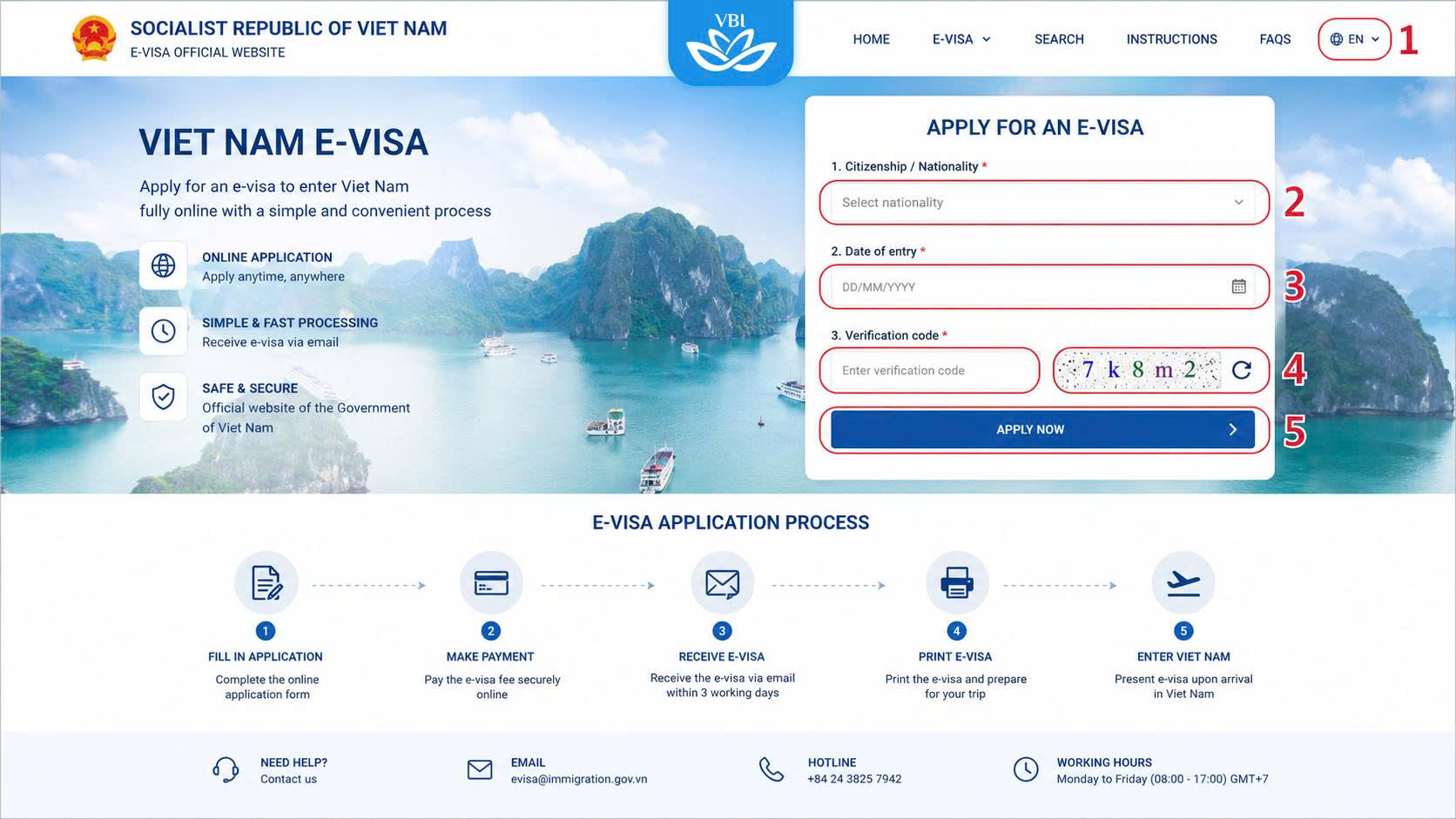
Australian passport holders must obtain a 90-day electronic visa prior to embarking on their journey, as they remain completely excluded from bilateral visa exemption lists. Applications process entirely online through the official government immigration portal. Approvals typically require three to seven business days. This digital document authorizes both single and multiple entries, accommodating complex treatment timelines that may require brief exits from the country.
The immigration landscape has evolved significantly, yet profound misconceptions persist regarding visa-free entry for specific nationalities. A common, highly detrimental myth circulates among prospective patients suggesting that Australians can enter the country visa-free for short clinical visits. This assumption routinely results in denied boarding at departure terminals in Sydney, Melbourne, and Perth. While the national assembly approved Resolution 128/NQ-CP extending a 45-day visa exemption to citizens of 24 countries—predominantly European nations such as the United Kingdom, Germany, and France, alongside specific Asian nations like Japan and South Korea—Australia was explicitly excluded from this unilateral exemption policy. Furthermore, the legacy Visa on Arrival (VOA) program, which previously allowed travelers to obtain physical stamps at the airport via a pre-approved agency letter, was permanently discontinued in 2022. Consequently, the Electronic Visa (E-Visa) remains the singular, mandatory gateway for Australian citizens.
Initiating the E-Visa application stands as the absolute first logistical step. Operating under Law No. 51/2019/QH14, the Vietnamese Immigration Department issues these digital authorizations strictly through their official national portal (evisa.gov.vn). Patients must exercise extreme vigilance to avoid third-party agency websites that masquerade as official government entities, often levying exorbitant processing fees while delaying the critical approval timeline. The official bureaucratic process demands precise digital data entry. Applicants must upload a recent 4×6 cm digital portrait featuring a stark white background, free from eyewear or headwear, alongside a high-resolution, uncropped scan of their passport’s biometric data page in JPG format (under 2MB).
The financial structure for this immigration document is rigidly defined. The government fee stands at $25 USD (approximately $38 AUD) for a single-entry authorization and $50 USD (approximately $76 AUD) for a multiple-entry visa. The multiple-entry option proves exceptionally advantageous for patients undergoing phased implant surgeries. Complex rehabilitations, such as extensive bone grafting or immediate loading protocols, frequently necessitate a return visit three to six months after the initial phase. Securing a 90-day multiple-entry visa provides profound logistical flexibility, allowing patients to execute brief regional travel or return home during the osseointegration healing phase without navigating the bureaucratic application process a second time.
Minor typographical discrepancies routinely cause severe border rejections. An inverted given name and surname, a single transposed digit in the passport number, or a mismatch between the declared date of entry and the actual flight arrival date will invalidate the document instantly. The entry date specified on the application establishes the earliest possible day of legal entry; travelers arriving even hours before this timestamp will face immediate deportation. Once approved, immigration authorities dispatch a downloadable PDF document. Despite the digital nature of the E-Visa, travelers must print physical, high-quality copies. Relying solely on mobile screen displays frequently encounters technical resistance at busy airport immigration checkpoints, leading to unnecessary delays and heightened pre-surgical anxiety.
| Visa Category | Target Demographic | Maximum Duration | Entry Allowance | Cost | Application Method |
| Visa Exemption | Citizens of 24 specific nations (UK, France, Germany, Japan, etc.). Excludes Australia. | Up to 45 Days | Single Entry | Free | No prior application required. Stamp upon arrival. |
| Electronic Visa (E-Visa) | Citizens of all countries, including Australia. | Up to 90 Days | Single Entry | $25 USD (~$38 AUD) |
Online via official portal (evisa.gov.vn). |
| Multiple-Entry E-Visa | Patients requiring phased surgical visits within a 3-month window. | Up to 90 Days | Multiple Entries | $50 USD (~$76 AUD) |
Online via official portal (evisa.gov.vn). |
| Visa on Arrival (VOA) | N/A | N/A | N/A | N/A |
Discontinued permanently in 2022. |
Compiling the Pre-Surgical Medical Dossier
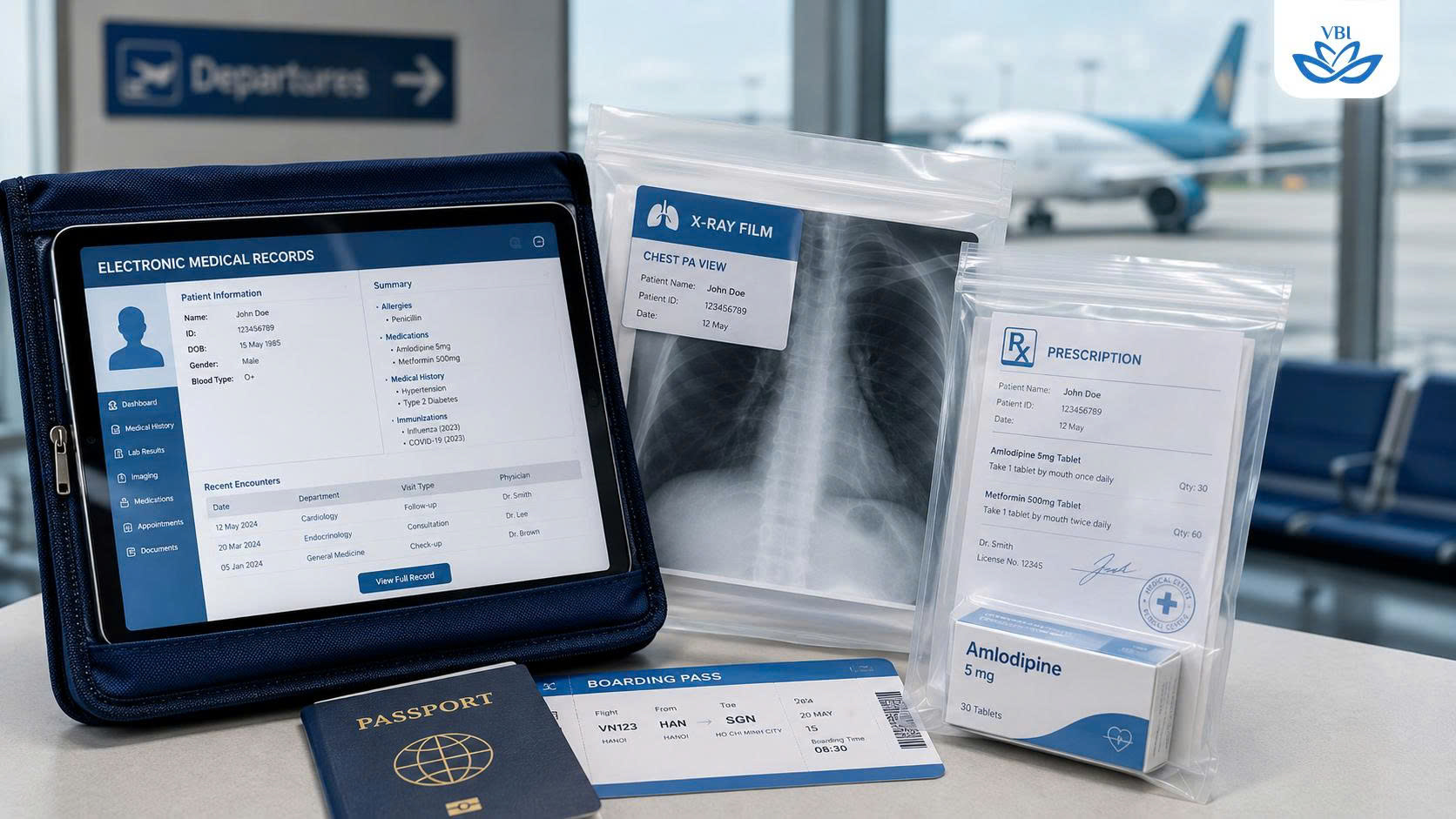
Complete clinical transparency dictates the success of international surgical interventions. Patients must transfer all relevant digital imaging and hematological reports to their chosen facility weeks before arrival. This proactive data exchange prevents unexpected contraindications. It allows surgical teams to design highly accurate, individualized treatment protocols utilizing advanced digital dentistry workflows and ensures proper pharmacological management before any scalpel touches tissue.
The foundation of any successful maxillofacial intervention relies on exhaustive pre-operative diagnostics. Relying on outdated, two-dimensional panoramic radiographs is medically insufficient for modern implantology. Patients should request their local Australian general dental practitioner or specialized imaging center to acquire a recent Cone Beam Computed Tomography (CBCT) scan and export the volumetric data in the universal DICOM (Digital Imaging and Communications in Medicine) format. Transmitting these massive diagnostic files via secure medical cloud servers enables the clinical team abroad to conduct intricate virtual surgical planning long before the patient boards their flight. Utilizing advanced CAD/CAM software, surgeons assess the exact Hounsfield unit density of the existing bone, precisely map the three-dimensional trajectory of the inferior alveolar nerve, and determine the optimal angulation and dimensions of the required titanium fixtures. This digital pre-planning eliminates intraoperative guesswork, drastically reducing surgical chair time and subsequent tissue trauma.
Equally critical to radiographic imaging is the compilation of a profound pharmacological and systemic health history. The biological realities of an aging demographic seeking full-arch restorations mean that patients frequently manage multiple systemic morbidities. Hematological profiling represents a non-negotiable prerequisite. Surgical teams require exhaustive blood panels, specifically analyzing HbA1c levels to rule out uncontrolled diabetes mellitus. Chronic hyperglycemia catastrophically impairs osteoblast proliferation, severely diminishes micro-vascularization around the titanium implant interface, and exponentially increases the risk of postoperative localized infections.
Furthermore, complete blood counts (CBC) and coagulation profiles (PT/INR) strictly dictate surgical pacing. Patients currently prescribed novel oral anticoagulants (NOACs) like Apixaban or traditional Vitamin K antagonists like Warfarin face profound hemorrhagic risks during tissue reflection and bone decortication. The surgical team, collaborating remotely with the patient’s Australian cardiologist, must engineer a precise pharmacological bridging protocol to normalize coagulation cascades prior to surgery without triggering thrombotic events. Similarly, patients possessing a history of bisphosphonate administration (such as Alendronate or denosumab) for the treatment of osteoporosis or osteopenia must disclose this immediately. These medications severely suppress osteoclastic activity, drastically elevating the risk of developing Medication-Related Osteonecrosis of the Jaw (MRONJ)—a devastating complication where the jawbone dies and becomes exposed following surgical trauma.
| Diagnostic Requirement | Clinical Rationale | Action Required Before Departure |
| CBCT Scan (DICOM Format) | Allows 3D assessment of bone volume, nerve mapping, and virtual implant placement. | Export DICOM files to a USB or secure cloud link; send to the overseas clinic 3 weeks prior. |
| HbA1c Blood Panel | Determines glycemic control. Uncontrolled diabetes halts osseointegration and invites severe infection. | Obtain blood test via Australian GP; ensure HbA1c is below 7.0% if possible. |
| Coagulation Profile (PT/INR) | Assesses bleeding risk for patients on Warfarin or NOACs. | Consult cardiologist for a medication bridging protocol 7-10 days before surgery. |
| Bisphosphonate History | Identifies risk of Medication-Related Osteonecrosis of the Jaw (MRONJ). | Provide a complete timeline of osteoporosis medication usage (oral vs. intravenous). |
| Allergy Documentation | Prevents intraoperative anaphylaxis from anesthetics or postoperative antibiotic reactions (e.g., Penicillin). | Provide a formalized list of known drug allergies verified by a medical practitioner. |
Allergies to specific anesthetic agents, latex, or broad-spectrum antibiotics require formal, documented disclosure. For instance, a documented allergy to amoxicillin requires the surgical team to preemptively stock alternative prophylactic antibiotics, such as Clindamycin or Azithromycin, ensuring continuous localized infection control. Bringing physical, authenticated copies of these medical records, clearly printed in standardized international medical terminology, serves as an indispensable fail-safe against digital network failures or cloud access restrictions upon arrival.
Strategic Aviation Planning and Physiological Considerations
Selecting the optimal flight route demands profound consideration of both pre-surgical fatigue and post-surgical physiological vulnerability. Direct flights minimize the physical toll on elderly patients traversing multiple time zones. Furthermore, individuals must meticulously schedule their return flights, allowing sufficient localized healing time to prevent altitude-induced barotrauma near fresh surgical sites and mitigating the severe risks of deep vein thrombosis.
Aviation logistics extend far beyond merely securing the most economical fare. The physiological stress imposed by long-haul air travel directly impacts the body’s baseline immune response and hemodynamic stability. For patients departing from major hubs such as Sydney, Melbourne, or Brisbane, securing direct nine-hour flights to Noi Bai International Airport (HAN) or Tan Son Nhat International Airport (SGN) presents the most biologically sound choice. Transiting through intermediate hubs like Singapore or Kuala Lumpur artificially prolongs the journey, severely exacerbating musculoskeletal stiffness and exponentially increasing the risk of Deep Vein Thrombosis (DVT) in older demographics. The combination of prolonged immobility, artificial cabin dehydration, and the naturally hypercoagulable state induced by surgical stress creates the perfect physiological storm for venous clot formation. Preventative measures, including the continuous use of graduated compression stockings, aggressive hydration protocols, and scheduled in-flight ambulation, are clinically mandatory.
Post-operative aviation physics carry specific, severe biomechanical risks that patients rarely anticipate. The most critical danger involves the principles of Boyle’s Law (the inverse relationship between gas pressure and volume) interacting with fresh surgical sites. Patients undergoing maxillary sinus augmentation (sinus lifts) to create vertical bone height for posterior upper implants face strict, non-negotiable travel embargoes. Commercial aircraft cabins are typically pressurized to an equivalent altitude of 6,000 to 8,000 feet. At this artificial altitude, atmospheric pressure drops significantly, causing any trapped gases within the human body to expand by approximately 25% to 30%.
If a patient flies prematurely following a sinus lift, the trapped air within the maxillary sinus cavity undergoes rapid volumetric expansion. This extreme barometric stress forces the delicate, newly repositioned Schneiderian membrane outward, potentially causing a catastrophic membrane rupture, dislodgement of the grafted bone particulate, and the onset of severe, acute barosinusitis. Maxillofacial surgeons universally mandate a minimum ground-level recovery period—often ranging from 10 to 14 days—following extensive sinus interventions before authorizing air travel. Attempting to board a flight without a formal “fit-to-fly” certificate from the operating surgeon invites devastating biological consequences.
| Surgical Procedure | Post-Operative Aviation Risk | Minimum Ground Recovery Time Before Flying | Preventative Actions Required In-Flight |
| Simple Extraction / Single Implant | Mild. Minor risk of secondary bleeding due to cabin pressure changes. | 3 to 5 Days | Bite firmly on sterile gauze during ascent/descent. Avoid hot beverages. |
| Full Arch Rehabilitation (All-on-4) | Moderate. Facial edema (swelling) will temporarily worsen at altitude. | 7 to 10 Days | Utilize prescribed anti-inflammatory steroids. Apply ice packs if permitted by flight crew. |
| Maxillary Sinus Lift (Augmentation) | Severe. Boyle’s Law expansion causes membrane rupture and graft failure. | 10 to 14 Days (Strict) | Pre-medicate with prescribed decongestants (e.g., Pseudoephedrine) to keep ostium open. |
| Extensive Bone Grafting (Block Grafts) | High. Risk of incision line dehiscence (splitting) due to pressure. | 10 to 14 Days | Maintain absolute soft diet. Avoid excessive talking or facial muscle exertion. |
Specialized departments exist precisely for planning dental trip to vietnam, moving seamlessly from arranging flights to booking local accommodations. Coordinating these schedules ensures the biological healing window aligns perfectly with the aviation itinerary. Patients must prioritize booking flights with flexible change policies; clinical realities dictate that human biology does not always adhere to strict commercial flight schedules. If localized swelling persists or sutures exhibit delayed primary closure, the surgical team will override the flight itinerary to protect the integrity of the implants.
Navigating the Micro-Geography of Hanoi Old Quarter
Securing accommodation adjacent to the clinical facility dramatically reduces the physical burden of navigating a high-density urban environment post-surgery. The historic district offers numerous boutique hotels tailored to international standards. Proximity eliminates the need for complex vehicular transit during the most critical 48 hours of initial tissue recovery, while providing immediate access to required soft-diet culinary options.
The architectural density and kinetic energy of the historic districts in major Vietnamese cities offer a vibrant cultural immersion, yet they present highly specific navigational and physiological challenges for a patient recovering from oral surgery. Immediately following a complex All-on-4 procedure or multiple extractions, patients will experience residual localized anesthesia, mild systemic fatigue from intravenous sedation, and compromised spatial equilibrium. Attempting to navigate chaotic, scooter-dense traffic grids in this vulnerable physiological state is exceptionally dangerous. Selecting a highly-rated boutique hotel situated within a short, 200-meter pedestrian radius of the Old Quarter dental clinics ensures patients can swiftly retreat to a sterile, climate-controlled environment immediately following their procedure without relying on ride-sharing applications or taxis during peak gridlock.
During the acute inflammatory phase of recovery (Days 1 through 4), the surgical site is critically dependent on the stabilization of the initial fibrin blood clot. Dislodging this clot exposes the underlying alveolar bone, leading to a severely painful condition known as alveolar osteitis (dry socket), which dramatically halts the osseointegration timeline. Consequently, patients require immediate access to soft, non-masticatory, nutrient-dense dietary options. Fortunately, the local culinary ecosystem naturally accommodates this strict clinical necessity seamlessly. Traditional Vietnamese culinary establishments frequently serve highly nutritious broths, slow-cooked rice congee (cháo), and soft rice noodle soups (phở—consumed specifically without the solid meat components). These indigenous meals provide essential caloric and protein intake without jeopardizing sutured mucosal tissues or placing premature occlusal loads on temporary prosthetics. Patients must strictly avoid utilizing straws when consuming beverages, as the negative intraoral pressure generated during suction will violently extract the protective blood clots from the surgical sockets.
Absolute vigilance regarding water hygiene forms the next critical pillar of postoperative survival. While the municipal water supply undergoes treatment, the localized flora and specific bacterial strains present in the tap water (including harmless localized variants of E. coli) are entirely unfamiliar to the Australian gastrointestinal microbiome. Ingesting this water—even in minuscule quantities while showering or brushing teeth—frequently triggers acute traveler’s diarrhea. A severe gastrointestinal event induces rapid systemic dehydration, electrolyte imbalances, and profoundly depletes the immune resources urgently required for bone healing and infection resistance at the implant site. Patients must exercise rigid discipline: utilize strictly sealed, commercially bottled water (such as Aquafina or Dasani) for all oral hygiene routines, including the rinsing of surgical sites and the mixing of prescribed chlorhexidine gluconate antimicrobial mouthwashes.
| Post-Operative Urban Challenge | Physiological Risk | Logistical Solution & Prevention |
| Navigating Dense Traffic | Post-sedation dizziness leading to physical trauma or elevated heart rate inducing surgical bleeding. | Book accommodation strictly within a 200-500 meter walking radius of the clinical facility. |
| Dietary Restrictions | Hard foods dislodge blood clots (Dry Socket) or fracture temporary acrylic prosthetics. | Consume local soft foods: Cháo (congee), clear broths, blended smoothies. Never use a straw. |
| Tap Water Exposure | Unfamiliar bacterial strains cause severe gastrointestinal distress, halting systemic immune healing. | Use only sealed bottled water for drinking, brushing teeth, and clinical mouthwash routines. |
| Tropical Climate (Humidity/Heat) | Excessive sweating leads to dehydration; vasodilation increases localized facial swelling (edema). | Remain strictly in air-conditioned environments for the first 72 hours. Apply prescribed ice packs constantly. |
Insurance Policies and Surgical Risk Mitigation
Standard leisure travel insurance frequently excludes elective medical procedures and associated complications entirely. Patients undertaking surgical interventions abroad must secure specialized medical tourism policies. These bespoke insurance products provide essential coverage for unexpected clinical revisions, extended accommodation needs, or emergency medical evacuation scenarios, ensuring financial protection against catastrophic physiological failures.
A fundamental, often financially devastating error committed by numerous international patients involves the blind assumption that their premium credit card travel insurance or standard leisure policy provides comprehensive medical coverage. When scrutinizing the fine print of standard Product Disclosure Statements (PDS) from major Australian insurers, one invariably discovers strict exclusion clauses. These clauses explicitly void any and all coverage for medical events, hospitalizations, or flight cancellations that arise directly or indirectly from planned, elective medical treatments obtained overseas. If an artificial titanium root fails to integrate (primary stability failure), or a severe localized infection necessitates emergency intravenous antibiotic therapy in a local general hospital, the patient assumes total, unmitigated financial liability for these acute interventions.
To neutralize this catastrophic financial exposure, individuals must proactively procure dedicated medical tourism insurance prior to departure. These highly specialized underwriters evaluate the specific, calculated clinical risks associated with implantology and maxillofacial surgery. They provide comprehensive indemnification frameworks that standard policies legally evade. Coverage typically encompasses prolonged hospitalization stemming from rare, acute events such as severe anesthetic anaphylaxis, delayed wound healing requiring surgical revision, or the sudden onset of life-threatening systemic infections (sepsis) originating from the oral cavity.
Furthermore, these specialized policies protect the logistical investment. If a surgeon mandates a delay in the fit-to-fly certificate due to severe barotrauma risks following a complex sinus augmentation, standard airlines will charge exorbitant fees for last-minute flight alterations. Medical tourism insurance absorbs the financial shock of flight re-bookings and the per-diem costs of extended hotel accommodations. In the most extreme, albeit exceptionally rare, scenarios where local medical infrastructure cannot stabilize a deteriorating patient, these policies cover the astronomical costs of specialized medical repatriation back to Australia—a logistical operation that can easily exceed $100,000 AUD. Engaging with these protective financial instruments ensures that a dental vacation vietnam remains a strategically sound healthcare investment rather than an unmitigated liability.
Financial Structuring and Funding Mechanisms
Managing large cross-border transactions requires strategic currency planning to minimize unfavorable exchange rates and international banking fees. For demographics facing severe biological deterioration and chronic pain, patients must thoroughly understand the Australian Taxation Office guidelines governing the early release of superannuation on compassionate grounds to legally finance these critical health interventions.
The sheer volume of capital involved in full-arch restorative dentistry demands sophisticated international financial structuring. Relying on standard debit cards for overseas point-of-sale transactions exposes patients to volatile daily currency fluctuations and punitive international transaction fees levied by major Australian banking institutions. Furthermore, sudden, high-value transactions executed in Southeast Asia frequently trigger automated algorithmic fraud prevention protocols, instantly freezing the patient’s accounts while they are physically sitting in the dental chair. To circumvent this, patients must formally notify their financial providers of their impending geographical relocation, specifically requesting temporary authorization for high-limit clinical payments. Utilizing multi-currency travel cards allows patients to lock in favorable AUD to USD or VND exchange rates weeks in advance, effectively shielding their meticulously calculated medical budget from sudden, unpredictable macroeconomic volatility.
For a significant cohort of the aging demographic, the out-of-pocket capital required for extensive reconstructive surgery remains inaccessible, despite the profound cost savings achieved by traveling abroad. These patients face severe biological deterioration, complete edentulism (loss of all teeth), and chronic, debilitating pain that annihilates their quality of life. In these specific clinical scenarios, alternative funding mechanisms exist within the Australian legal framework. Patients frequently pursue the early release of their retirement funds to finance these critical health interventions.
The Australian Taxation Office (ATO) maintains incredibly strict, unforgiving regulatory frameworks governing the Compassionate Release of Superannuation (CRS). This legal mechanism is not a loophole for elective cosmetic enhancements; it strictly requires comprehensive, verifiable documentation proving the existence of chronic, unmanageable pain that profoundly restricts daily functional capacity, or a condition that constitutes a severe, life-threatening illness. Patients seeking to utilize superannuation for procedures like All-on-4 implants must navigate a rigorous bureaucratic pathway long before booking their flights.
| ATO CRS Requirement | Legal & Clinical Specifications | Patient Action Required |
| Proof of Chronic Pain |
Condition must cause acute, chronic pain or acute mental illness. Purely cosmetic requests (e.g., veneers for aesthetics) are instantly rejected. |
Obtain documented medical history proving long-term suffering and inability to masticate food properly. |
| Dual Medical Certification | Requires certification from two separate registered medical practitioners. | Book consultations in Australia. |
| Specialist Requirement | At least one of the certifying practitioners MUST be a recognized specialist in the relevant field (e.g., Oral and Maxillofacial Surgeon or Prosthodontist). | Secure an appointment with an Australian dental specialist to formally evaluate the clinical necessity of the overseas treatment plan. |
| Financial Necessity | Must prove the applicant lacks the financial capacity to pay for the treatment through standard savings or asset liquidation. | Provide comprehensive bank statements and financial declarations to the ATO. |
| Form NAT 74993 | The official ATO application form for Compassionate Release. | Submit the form online via the myGov portal with all attached clinical evidence; expect a 14 to 28-day processing window. |
The bureaucratic timeline for the ATO CRS process is notoriously slow. Patients must coordinate with the overseas clinic to receive a highly detailed, formalized treatment plan and cost estimate. This document must then be presented to two Australian medical professionals—one of whom must be a recognized specialist—who will formally certify that the treatment is biologically necessary and cannot be delayed. Once approved, the funds are released into the patient’s personal bank account, subject to standard taxation rules (frequently taxed at a concessionary rate of up to 22%). Only after these funds have fully cleared should the patient finalize their flight itineraries and surgical dates, ensuring absolute financial liquidity prior to scalpel incision.
Long-Term Maintenance and International Warranties
International dental warranties require clear jurisdictional understanding and adherence to strict postoperative maintenance protocols. Patients must secure formal, globally recognized warranty documentation for both the titanium fixtures and the prosthetic components. This legally binding framework ensures that localized Australian practitioners can seamlessly continue maintenance without voiding the original clinical guarantees.
The culmination of the logistical journey does not occur when the patient boards their return flight to Australia; it extends into a lifelong commitment to biological maintenance. Premium clinical facilities utilize globally recognized implant ecosystems—such as Straumann, Nobel Biocare, or Osstem—which provide international implant passports containing precise serial numbers, lot codes, and exact dimensional metrics of the titanium fixtures implanted. Acquiring this physical passport is paramount. If a mechanical complication arises in Sydney five years later, the local Australian prosthodontist requires these exact specifications to order the correct prosthetic screwdrivers and replacement components.
Patients must deeply investigate the exact legal boundaries of the clinic’s warranty framework. While high-tier facilities offer 10-year to lifetime guarantees on the structural integrity of the titanium implant, and 3 to 5-year guarantees on the porcelain crowns, these warranties are uniformly contingent upon strict patient compliance. Failure to present radiographic evidence of a professional dental prophylaxis (deep cleaning) every six months locally in Australia will instantly void the international warranty. The biological reality is that implants are immune to decay, but highly susceptible to peri-implantitis—a destructive inflammatory disease of the surrounding gum and bone. Comprehensive preparation involves establishing a relationship with a local Australian hygienist before departing for Vietnam, ensuring a seamless transition of care and safeguarding the immense biological and financial investment made abroad.
Contact the International Patient Support Department to coordinate your treatment schedule.




Bài viết liên quan
Hanoi Old Quarter Post-Surgery Guide: Best Soft Food Spots and Recovery Tips for Dental Tourists
Planning complex dental work abroad offers incredible financial relief, with premium restorations in Vietnam often...
How to Send Dental X-Rays Online for a Remote Vietnam Diagnosis
Many patients ask how to send dental x rays online to obtain a highly accurate...
Best Dental Implants Abroad: Why Vietnam Leads in 2026
When searching for the best dental implants abroad, you face a critical decision. It is...
Dental Tourism in Hanoi Old Quarter: Flights, Visas & Hotels
Embarking on dental tourism in Hanoi is a strategic choice for Australians seeking premium implant...