
 Mon - Sun 8:00 - 19:00
Undergoing complex full-arch restorative surgery requires absolute certainty regarding operative sterility, leading prospective international patients to actively seek out safe dental clinics in Vietnam that rigorously enforce global medical standards. Premium dental facilities ensure uncompromising patient safety through the meticulous implementation of ANSI/AAMI ST79 sterilization protocols, closed-loop negative-pressure decontamination architecture, Class B pre-vacuum autoclaving systems, and advanced piezoelectric surgical technology. These multi-layered infection control measures guarantee a surgically sterile environment, systematically neutralizing the risks of cross-contamination and dramatically accelerating postoperative healing for international patients.
The Global Paradigm of Dental Tourism and Psychological Friction
The globalization of high-end healthcare has fundamentally altered the landscape of restorative dentistry, transforming cross-border medical travel from a niche alternative into a mainstream necessity. As the financial burden of complex full-mouth rehabilitations relentlessly escalates in developed nations such as Australia and New Zealand, thousands of patients are compelled to seek viable clinical alternatives overseas. The economic drivers are undeniable; while a localized All-on-4 implant procedure in Sydney or Melbourne may demand an exorbitant investment ranging from $32,000 to $70,000 USD, equivalent procedures utilizing identical premium materials in Southeast Asia offer savings of up to 70%. However, this mass migration of medical consumers is frequently accompanied by profound psychological friction and intense apprehension.
The primary deterrent inhibiting prospective patients from pursuing safe dental procedures abroad revolves almost exclusively around the fear of compromised medical standards. This apprehension is heavily cultivated by local dental associations in developed nations, which frequently issue widespread warnings regarding “botched dental jobs,” severe bloodborne pathogen transmission, and the utilization of sub-standard surgical instrumentation in developing markets. These campaigns explicitly highlight the dangers of inadequate dental infection control, emphasizing the catastrophic systemic consequences of utilizing poorly sterilized implant drills or counterfeit titanium fixtures. Consequently, a recurring and entirely valid inquiry among prospective medical travelers is whether are dental clinics in Vietnam safe when executing highly invasive surgical interventions such as bilateral sinus lifts, complex bone grafting, and full-arch implant placements.
Addressing this critical apprehension demands a systemic deconstruction of the regulatory frameworks, architectural clinic designs, and stringent microbiological safeguards implemented by top-tier institutions. High-end international dental centers do not merely meet baseline local health ministry requirements; they actively benchmark their entire clinical operations against the most uncompromising global benchmarks, specifically those established by the United States Centers for Disease Control and Prevention (CDC), the Occupational Safety and Health Administration (OSHA), and the Association for the Advancement of Medical Instrumentation (AAMI).
Evaluating the dental clinic hygiene and sterilization standards in Vietnam reveals a landscape where elite facilities have engineered their environments to parallel, and occasionally surpass, the rigorous safety infrastructure found in traditional Western hospital operating theaters. By forensically mapping the precise mechanisms of surgical instrument reprocessing, environmental surface virology, and advanced surgical tissue management, the true scope of clinical safety protocols becomes undeniably evident.
| Market Dynamics & Patient Psychology | Impact on Clinical Decision Making | The Institutional Response |
| Financial Exclusion | Patients face insurmountable domestic costs ($32k-$70k) and prolonged insurance waiting periods, forcing the exploration of international alternatives. | Provision of highly transparent, itemized pricing structures for premium implant packages without hidden fees. |
| Fear of Pathogen Transmission | Anxiety regarding Hepatitis B, Hepatitis C, and HIV transmission due to perceived lax sterilization standards in foreign medical facilities. | Implementation of ANSI/AAMI ST79 standards, open-view sterilization centers, and verifiable biological spore testing. |
| Material Quality Concerns | Suspicion that discounted pricing equates to the utilization of unverified, counterfeit, or grey-market titanium implant fixtures. | Strategic partnerships with global implant manufacturers (e.g., Straumann, Nobel Biocare) and issuance of global warranties. |
| The “Aftercare Blackhole” | Fear of being abandoned post-surgery, with local domestic dentists refusing to intervene or repair overseas surgical complications. | Establishment of robust international aftercare networks, digital post-operative monitoring, and universal implant passports. |
Decoding the ANSI/AAMI ST79 Sterilization Standards
To establish an impenetrable fortress of clinical safety, premium dental facilities base their infection control protocols on the ANSI/AAMI ST79 guidelines. A consolidation of numerous previous standards, ANSI/AAMI ST79 represents the definitive comprehensive guide to steam sterilization and sterility assurance in health care facilities. These regulations dictate every conceivable aspect of instrument processing, from the architectural layout of the sterilization room to the exact environmental humidity, the required protective equipment for staff, and the thermodynamic parameters of the autoclaves.
The fundamental principle governing these standards is the complete eradication of healthcare-associated infections (HAIs). In a dental operatory, the environment is constantly subjected to aerosolized saliva, blood splatter, and microscopic particulate matter generated by high-speed rotary handpieces. If surgical instruments—classified by the CDC as “critical items” because they penetrate sterile soft tissue and jawbone—are not meticulously processed, they transform into highly efficient vectors for cross-contamination. The AAMI ST79 protocols address this by eliminating human subjectivity from the cleaning process, replacing it with measurable, data-driven, and biologically verified workflows.
The Architectural Workflow of Absolute Infection Control
The foundation of comprehensive infection management begins far beyond the surgical chair; it is deeply embedded within the architectural blueprint of the clinical facility itself. Standardized medical facilities compartmentalize their sterilization processes into distinct, physically separated environmental zones. This strict unidirectional workflow—moving unilaterally from the contaminated zone, to the clean assembly zone, and finally to the sterile storage zone—is a non-negotiable principle of modern epidemiological control. This physical separation guarantees that aerosolized bioburden from dirty instruments cannot cross-contaminate surgically prepared trays awaiting patient use.
Zone 1: Decontamination and Bioburden Liquefaction
The decontamination sector is the most hazardous environment within a dental facility. It acts as the primary receiving terminus for all blood-soaked, saliva-coated, and tissue-laden surgical instrumentation immediately following an implant procedure. The ANSI/AAMI ST79 sterilization standards direct facilities to establish uncompromising environmental parameters for this specific zone to protect both the integrity of the medical devices and the occupational health of the specialized personnel.
To prevent microscopic airborne pathogens from drifting into pristine clinical corridors, the decontamination space must operate under continuous negative air pressure. The HVAC systems are engineered to exhaust the air directly to the outside environment, ensuring that the airflow direction always pulls inward when doors are opened. Furthermore, the ambient environment is strictly regulated, maintaining temperatures between 60-65°F (16-18°C) with a relative humidity carefully suppressed between 30-60%, alongside a rigorous requirement of at least ten total air changes per hour. These cool temperatures prevent the rapid coagulation of blood proteins on stainless steel surfaces and inhibit opportunistic bacterial replication before the cleaning process begins.
Personnel operating within this high-risk sector are required to don extensive personal protective equipment (PPE). This includes fluid-resistant isolation gowns, full-face visors to block micro-splatter, and heavy-duty puncture-resistant utility gloves that extend significantly beyond the gown cuffs to prevent contaminated water from contacting the skin.
The physical elimination of bioburden is a highly choreographed biochemical and mechanical event. Instruments are initially saturated in specialized enzymatic detergents. Unlike standard soaps, these advanced medical formulations contain proteases, lipases, and amylases that actively target and digest complex protein structures, cellular lipid membranes, and carbohydrate residues left behind by human tissue. Following this enzymatic liquefaction, instruments are transferred into medical-grade ultrasonic cleaning units.
Ultrasonic cleaners do not merely agitate the water; they utilize transducers to generate high-frequency sound waves that produce millions of microscopic low-pressure vapor bubbles throughout the liquid medium. As these bubbles forcefully collide with the intricate hinges, cutting flutes, and internal lumens of the dental instruments, they rapidly implode. This phenomenon, known as acoustic cavitation, creates highly localized hydraulic shockwaves that physically shear microscopic biofilms and stubborn osteocytes away from the metal, achieving a level of microscopic cleanliness that manual brushing simply cannot replicate.
Following this violent cavitation process, the instruments are exhaustively rinsed with deionized or reverse-osmosis water. This specific water grade ensures that no mineral deposits or heavy metal ions remain on the instruments, which could otherwise cause microscopic pitting or interfere with the subsequent steam sterilization phase. Finally, the tools are meticulously dried using compressed medical air and specialized non-linting cellulose sponges. The total absence of ambient moisture at this juncture is a critical imperative; residual water droplets can inadvertently dilute chemical sterilants or drastically alter the thermodynamic efficiency of the impending autoclave cycle.
Zone 2: Preparation, Microscopic Inspection, and Packaging
Once stripped of all visible and microscopic organic debris, the instruments cross the architectural threshold into the preparation and packaging zone. The environmental parameters of this room actively invert; the space maintains continuous positive air pressure to aggressively repel any external airborne dust or particulate matter from entering the clean zone. The ambient temperature is comfortably regulated between 72-78°F (22-26°C) to optimize the performance of chemical indicators and packaging adhesives.
Within this pristine environment, highly trained sterilization technicians examine every single surgical bur, periodontal scaler, and titanium implant driver under high-intensity illuminated magnification. This rigorous visual inspection verifies the absolute eradication of organic residue and assesses the mechanical integrity of the equipment. A dull surgical drill or a rusted forceps is immediately discarded, as microscopic surface defects serve as ideal nesting grounds for resilient pathogen colonies.
The instruments are subsequently meticulously arranged into dedicated surgical cassettes and encapsulated within medical-grade sterilization pouches or highly durable rigid sterilization containers. These specific packaging materials are feats of advanced polymer engineering. They are designed to allow the aggressive penetration of saturated steam and the complete evacuation of ambient air during the autoclave cycle. However, the moment the package is removed from the sterilizer and the temperature drops, the polymer pores hermetically seal, forming an impenetrable, long-term barrier to airborne microorganisms.
Crucially, multiparameter chemical indicators are systematically embedded directly into the geometric center of every surgical package. These internal diagnostic strips are engineered to undergo a definitive, irreversible color transition solely when exposed to the exact required convergence of time, peak temperature, and saturated steam necessary to achieve absolute biological lethality against extreme bacterial spores. If steam fails to penetrate the center of the surgical cassette due to overloading or improper wrapping, the chemical indicator will fail to change color, and the entire load is immediately flagged for total reprocessing.
| ANSI/AAMI ST79 Zone | Air Pressure | Temperature Range | Relative Humidity | Primary Clinical Function |
| Zone 1: Decontamination | Negative (Air flows inward) | 60°F – 65°F (16°C – 18°C) | 30% – 60% | Enzymatic digestion, ultrasonic cavitation, bioburden removal. |
| Zone 2: Preparation & Packaging | Positive (Air flows outward) | 72°F – 78°F (22°C – 26°C) | 30% – 60% | Microscopic inspection, cassette assembly, indicator insertion. |
| Zone 3: Sterilization | Positive / Neutral | 75°F – 85°F (24°C – 29°C) | 30% – 60% | Thermodynamic steam autoclaving, spore testing incubation. |
| Zone 4: Sterile Storage | Positive (Air flows outward) | Not exceeding 75°F (24°C) | Not exceeding 70% | Climate-controlled preservation of hermetically sealed surgical kits. |
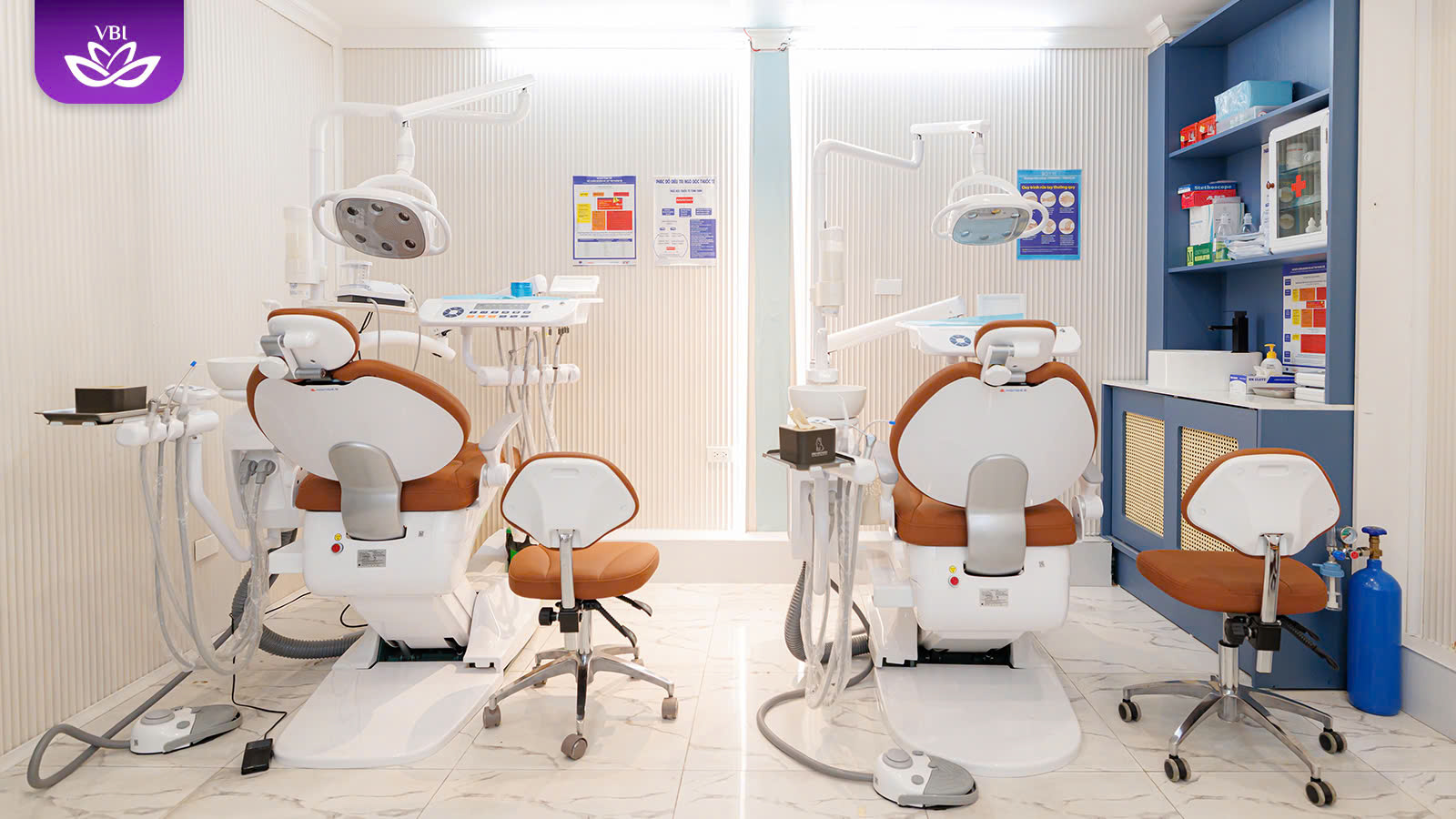
Before examining the extreme thermodynamics governing the actual sterilization phase, it is vital to visually comprehend the highly controlled environment where these critical preparatory procedures unfold. The strict separation of dirty and clean zones forms the backbone of modern clinical safety.
Strict Sterilization: The Thermodynamics of Steam Autoclaving
Saturated steam applied under immense atmospheric pressure remains the most universally reliable, mathematically consistent, and biologically lethal method for inactivating pathogenic activity within healthcare facilities. The underlying physics of steam sterilization relies entirely on the extreme thermodynamic efficiency of moist heat in instantly coagulating and irreversibly denaturing the structural proteins, DNA, and vital metabolic enzymes of invading microorganisms.
The lethality of steam is vastly superior to that of dry heat. While a dry heat sterilizer requires prolonged, unbroken exposure at immensely high temperatures (e.g., 320°F or 160°C for two full hours) to achieve the slow oxidation of cellular structures, saturated steam achieves total destruction exponentially faster and at significantly lower temperatures. The mechanism is rooted in the latent heat of vaporization. When highly pressurized, superheated steam makes contact with the cooler metallic surface of a dental instrument, it instantly condenses from a gaseous state back into a liquid state. This rapid phase change causes a sudden, massive collapse in volume, which acts to draw more steam into the space, while simultaneously transferring a colossal volume of thermal energy directly into the microbial cell. This violent, instantaneous energy transfer causes the immediate, catastrophic destruction of all vegetative bacteria, complex viruses, pathogenic fungi, and even the most highly resilient bacterial spores.
The Critical Necessity of Class B Pre-Vacuum Autoclaves
While the physics of steam sterilization are flawless, the delivery mechanism must be perfectly calibrated. Standard gravity-displacement sterilizers (frequently categorized as Class N autoclaves) operate by allowing steam to passively displace the heavier ambient air downward and out through a drain valve at the bottom of the chamber. While this passive method is functionally sufficient for flat, solid instruments like scalpels or basic mirrors, gravity displacement is woefully inadequate and dangerously unpredictable when tasked with sterilizing complex, hollow dental equipment.
Modern dental surgical handpieces, implant drill lines, and surgical aspirator tips feature exceptionally long, narrow lumens, microscopic internal gears, and intricate internal geometries. In a gravity displacement sterilizer, trapped ambient air within these hollow tubes refuses to be passively pushed out. This trapped air forms microscopic “cold pockets” that entirely block the steam from contacting the internal surfaces, effectively shielding internal microbes from the lethal heat and resulting in massive sterilization failures.
To definitively circumvent this critical architectural vulnerability, elite implantology centers rely exclusively on Class B fractionated pre-vacuum autoclaves. These highly advanced medical devices utilize a powerful mechanical vacuum pump to aggressively extract all ambient air from the chamber prior to the introduction of any steam. By executing a highly calibrated series of deep, pulsed vacuums, the autoclave forcibly tears the air out of the microscopic cavities and hollow lumens of the dental handpieces.
Once a near-absolute vacuum is successfully achieved, pressurized superheated steam is violently injected into the void, instantly penetrating every internal surface, gear, and lumen of the surgical equipment. The standardized surgical cycle exposes the instruments to extreme temperatures of 270°F (132°C) or 275°F (135°C) at a crushing pressure of 27 to 31 pounds per square inch (psi) for an unbroken period of four to ten minutes. This intense sterilization phase is immediately followed by a prolonged, vacuum-assisted drying phase. The vacuum pump engages once again to aggressively pull all moisture out of the chamber and the paper-plastic pouches, ensuring that the packages emerge completely bone-dry and hermetically sealed against external contamination.
| Sterilization Modality | Mechanism of Air Removal | Penetration Capability | Dental Clinical Application |
| Class N Autoclave (Gravity) | Passive downward displacement by incoming steam. | Very Poor. Cannot penetrate narrow lumens or porous loads. | Basic solid instruments only (mirrors, probes, solid scalpel handles). |
| Class B Autoclave (Pre-Vacuum) | Aggressive mechanical fractionated vacuum pulses. | Exceptional. Achieves total penetration of hollow tubes. | Implant motors, surgical handpieces, bone grafting delivery syringes. |
| Dry Heat Sterilizer | Prolonged thermal oxidation via static heated air. | High, but excessively slow and degrades delicate metals. | Non-hollow surgical instruments that cannot tolerate moisture. |
| Ethylene Oxide (ETO) Gas | Chemical alkylation of microbial DNA at low temperatures. | Exceptional penetration of complex polymers and plastics. | Heat-sensitive plastics, highly complex motorized hospital equipment. |
Tri-Level Sterility Assurance and Biological Monitoring
Merely subjecting surgical instruments to a high-heat cycle does not inherently guarantee absolute sterility if internal equipment malfunctions, seals degrade, or human error occurs during the packaging phase. Therefore, universally recognized medical standards dictate the stringent implementation of a rigorous, tri-level sterility assurance program involving mechanical, chemical, and biological monitoring. Patients investing in complex overseas care must demand confirmation that these specific quality control systems are active.
-
Mechanical Monitoring: During every single active cycle, the autoclave’s internal digital sensors continuously record real-time data regarding peak chamber temperature, internal pressure, and exact cycle duration. This data is physically printed or digitally logged to a centralized compliance server. If the mechanical readouts indicate a fluctuation of even a fraction of a degree below the predetermined lethal threshold, the system triggers an immediate alarm, the cycle is aborted, and the instruments are quarantined for total reprocessing.
-
Chemical Monitoring: External indicator tape secures the exterior of the pouches, altering its visual color purely to verify that the package has been physically exposed to the extreme processing environment, preventing unprocessed packages from inadvertently entering the sterile storage zone. More critically, Class 5 integrating internal chemical indicators are placed deep inside the densest area of the surgical cassettes. These advanced diagnostic strips only transition to a passing hue if all three critical parameters—precise time, peak temperature, and the physical presence of saturated steam—have successfully penetrated the dense metallic mass of the surgical instruments to achieve sterilization conditions.
-
Biological Monitoring (Spore Testing): While mechanical and chemical indicators provide immediate assurance, the absolute ultimate verification of sterilization efficacy is the biological indicator. This protocol involves routinely processing a highly resistant, dormant strain of extremophile bacteria, specifically Geobacillus stearothermophilus spores, directly alongside the daily instrument loads. Due to their extreme, evolutionary resistance to immense heat and crushing pressure, these specific spores serve as the ultimate biological challenge. Following the completion of the autoclave cycle, the biological vial is removed, mechanically crushed to mix the potentially surviving spores with a specialized nutrient growth medium, and placed into an incubator. A negative growth result—meaning no bacteria managed to survive and multiply—provides definitive, irrefutable biological proof that the autoclave is consistently achieving absolute lethality. This exhaustive verification process is what fundamentally guarantees that strictly sterilized equipment is flawlessly utilized for every single patient encounter.
Chemical Virology and Advanced Environmental Surface Disinfection
While critical surgical instruments undergo terminal steam sterilization, the clinical contact surfaces within the surgical operatory—including the dental chair upholstery, overhead surgical light handles, computer keyboards, X-ray interfaces, and delivery brackets—cannot physically be placed inside a high-temperature autoclave. These extensive environmental surfaces are highly susceptible to persistent contamination via direct, repetitive contact with gloved hands, or through the invisible settling of microscopic, pathogen-laden aerosols generated during high-speed drilling and ultrasonic scaling. Consequently, robust and aggressive environmental surface disinfection utilizing EPA-registered, hospital-grade liquid chemical sterilants is an absolute clinical imperative.
The Microbiological Efficacy of Isopropanol and Quaternary Ammonium Compounds
For expansive, non-porous environmental surfaces, top-tier clinics utilize highly potent liquid chemical formulations designed for rapid and total pathogenic eradication. A premier, globally recognized example of such a compound is CaviCide, a broad-spectrum, intermediate-level surface disinfectant frequently deployed in demanding environments such as hospital operating rooms, neonatal isolation areas, and advanced outpatient surgical centers. The formulation derives its immense biocidal power from the synergistic biochemical combination of isopropanol (maintained at a precisely calibrated concentration of approximately 17%) and didecyl dimethyl ammonium chloride, an extremely aggressive quaternary ammonium compound (QAC).
The dual-action mechanism of this specific compound is biologically devastating to a vast array of pathogens. The isopropanol acts incredibly rapidly to dissolve the protective lipid bilayers that envelop numerous dangerous viruses, while concurrently penetrating rigid bacterial cell walls to irreversibly denature vital structural proteins and critical intracellular metabolic enzymes. Simultaneously, the positively charged quaternary ammonium molecules aggressively bind electrostatically to the negatively charged bacterial membranes. This electrostatic interaction induces severe structural membrane disruption, causing critical cellular leakage, total loss of internal homeostasis, and highly rapid microbial death.
Extensive, independently verified microbiological kill claims validate the extreme efficacy of these specialized chemical mixtures. When applied precisely according to rigorous, manufacturer-validated contact-time protocols, these chemical solutions demonstrate a staggering 100% kill rate against Methicillin-resistant Staphylococcus aureus (MRSA), Pseudomonas aeruginosa, and the highly resilient Mycobacterium tuberculosis within exactly three minutes of surface contact. Furthermore, they exhibit the complete and rapid destruction of complex enveloped viruses, including Hepatitis B (HBV), Hepatitis C (HCV), Human Immunodeficiency Virus (HIV-1), and SARS-CoV-2 within an astonishing two minutes.
High-Level Disinfection for Heat-Sensitive Semi-Critical Devices
Certain highly specialized, heat-sensitive semi-critical devices—defined as instruments that contact intact mucous membranes but do not intentionally penetrate sterile jawbone or vascular tissue—cannot tolerate the extreme thermal stress and immense pressure of steam sterilization. For these highly specific, often plastic or fiber-optic items, facilities utilize high-level chemical sterilants such as specialized, concentrated glutaraldehyde formulations.
For instance, highly concentrated solutions like Hexanios 0.5% are routinely leveraged for their profound, unrelenting anti-bacterial and anti-viral properties. Glutaraldehyde functions by strongly and permanently cross-linking proteins and nucleic acids, effectively fixing the microbial cells in place and permanently terminating all biological and reproductive activity. Submerging heat-sensitive optical devices or specialized retractors in such high-level sterilants for strictly timed intervals ensures total pathogen eradication, adding yet another impregnable layer to the facility’s infection control protocols and deeply safeguarding the patient against potential cross-contamination vectors.
| Disinfectant Chemical Class | Primary Mechanism of Action | Target Pathogens | Required Contact Time |
| Isopropanol + QAC (e.g., CaviCide) | Lipid envelope dissolution, extreme protein denaturation, electrostatic membrane disruption. | HBV, HCV, HIV-1, MRSA, M. tuberculosis, SARS-CoV-2. | 2 to 3 minutes for total eradication. |
| Glutaraldehyde 2.4% – 3.4% | Irreversible alkylation of sulfhydryl, hydroxyl, and amino groups within microorganisms. | Broad-spectrum bacteria, resilient fungi, highly resistant bacterial spores. | 10 to 45 minutes for high-level disinfection. |
| Hydrogen Peroxide (Vaporized) | Production of destructive free free hydroxyl radicals that violently attack essential cell components. | Exceptionally broad-spectrum including resilient extremophile spores. | Varies by automated chamber cycle. |
The exhaustive synthesis of rigorous steam sterilization protocols and advanced, rapid-acting chemical surface disinfection creates a biologically unbroken chain of clinical hygiene before the patient even enters the room. However, true infection control extends far beyond the extensive preparation phase; it must be flawlessly maintained directly into the chaotic reality of the surgical act itself.
In modern, high-end implantology, actively minimizing physical tissue trauma, severely restricting localized bleeding, and aggressively mitigating the spread of aerosolized blood are highly critical components of maintaining a sterile surgical field. The strategic adoption of advanced, physics-driven ultrasonic surgical instruments heavily influences the baseline safety, cleanliness, and ultimate success of the restorative procedure.
Safe Technology: The Integration of Piezotome in Maxillofacial Surgery
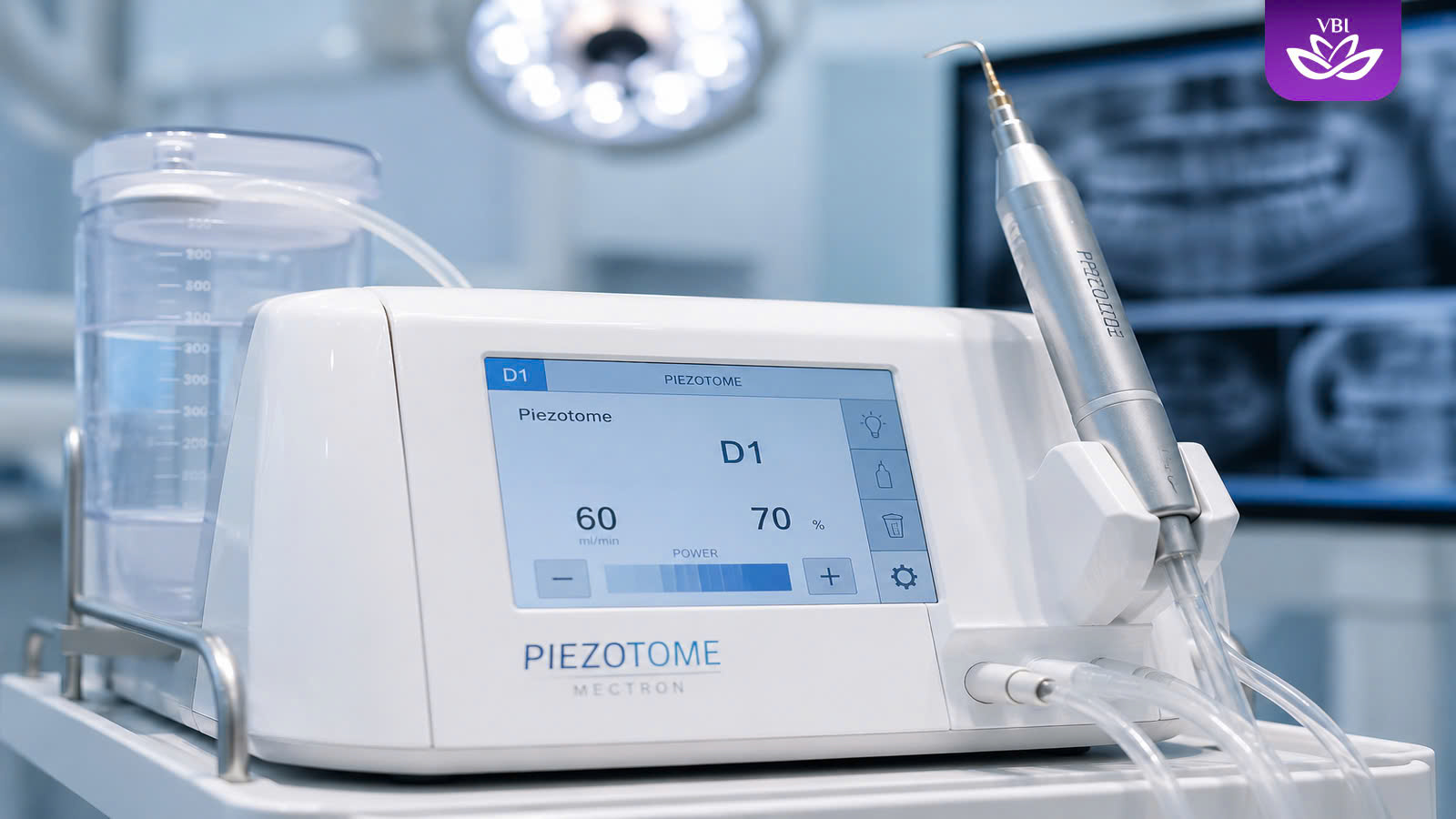
The specific surgical instruments deployed during a highly invasive dental implant procedure play a massive, often underappreciated role in maintaining a highly sterile, deeply controlled, and remarkably safe operative environment. The traditional paradigm of oral and maxillofacial surgery has shifted dramatically in elite clinics with the integration of the Piezotome, an incredibly advanced surgical device that utilizes high-frequency piezoelectric ultrasonic waves to perform complex bone surgery (osteotomy).
Conventional surgical approaches have historically relied heavily on high-speed rotary burs and aggressively oscillating micro-saws to cut through the jawbone. While undeniably effective at rapidly removing hard tissue, these rotary instruments generate immense mechanical friction, resulting in extreme thermal stress at the delicate osteotomy site. In the realm of bone biology, heat is a deadly adversary. If the localized bone temperature exceeds 47°C (116.6°F) for longer than a single minute, irreversible cellular necrosis (bone death) occurs. This thermal trauma severely compromises the jawbone’s fundamental biological ability to integrate and fuse with the titanium implant—a process called osseointegration—and drastically increases the probability of localized post-operative infection as the dead bone becomes a breeding ground for opportunistic bacteria.
Furthermore, traditional rotary burs are entirely non-selective in their destructive power; they will tear aggressively through delicate soft tissues, critical blood vessels, and vital nerve bundles with the exact same violent force used to cut dense cortical bone, frequently leading to massive intraoperative hemorrhage, profound postoperative swelling, and severe patient discomfort.
The Piezotome mechanism, however, operates on an entirely different spectrum of physics. By harnessing the converse piezoelectric effect, the advanced medical device channels alternating electrical energy through highly specialized internal ceramic or quartz crystals. These specific crystals rapidly expand and contract, converting the electrical energy into highly focused, strictly linear mechanical micro-vibrations at a very specific, high-frequency range between 25 to 35 kHz.
Tissue Selectivity and Neurovascular Preservation
The most profound, groundbreaking clinical advantage of piezoelectric technology is its absolute tissue selectivity. At the highly specific 25-35 kHz frequency band, the vibrating ultrasonic tip exclusively cuts and vaporizes dense, mineralized cortical and cancellous bone. Elastic soft tissues—including the exceptionally delicate Schneiderian membrane located inside the maxillary sinus cavity, the critical inferior alveolar nerve bundle running horizontally through the lower mandible, and the surrounding highly vascularized gingival mucosa—require vibration frequencies exceeding 50 kHz to be physically incised or damaged.
Consequently, if the rapidly vibrating metallic tip of the Piezotome accidentally brushes against a major nerve bundle or a vital blood vessel during a complex wisdom tooth extraction or an intricate sinus bone grafting procedure, the soft tissue merely absorbs the ultrasonic vibration without sustaining any laceration, tearing, or structural trauma. This extraordinary, physics-based precision dramatically reduces intraoperative hemorrhaging, diminishes the devastating risks of permanent neurosensory damage to near zero, and facilitates a highly controlled, minimally invasive surgical outcome that simply cannot be replicated with traditional drills.
The Micro-Cavitation Effect and Active Surgical Infection Control
Beyond providing unmatched physical precision, the Piezotome actively and aggressively contributes to the underlying biological sterility of the immediate surgical site. The ultrasonic handpiece is universally equipped with an integrated sterile physiological saline irrigation system, fundamentally designed to constantly cool the vibrating tip and prevent the bone from overheating. However, as the metallic tip violently oscillates up to 35,000 times per second within this continuous fluid environment, it induces a powerful hydrodynamic phenomenon known as micro-cavitation.
This micro-cavitation causes the instantaneous, continuous formation and violent, rapid implosion of millions of microscopic low-pressure vapor bubbles directly within the sterile saline stream. These continuous, localized implosions generate immense hydraulic shockwaves that act as an incredibly intense biological scrub directly inside the surgical wound. The sheer, relentless force of this cavitation actively lyses (ruptures) bacterial cell walls, forcibly strips away opportunistic pathogenic biofilm, and violently flushes necrotic bone debris and toxins away from the osteotomy site.
Concurrently, the cavitation effect provides highly beneficial temporary vasoconstriction, immediately coagulating minor ruptured capillaries and rendering the entire surgical field practically blood-free. This extreme, unparalleled visibility allows the maxillofacial surgeon to operate with uncompromising accuracy and supreme confidence. By definitively reducing thermal bone damage to absolute zero, flawlessly preserving the patient’s native neurovascular architecture, and actively sterilizing the surgical pocket in real-time via hydraulic cavitation, piezosurgery promotes wildly accelerated osteogenesis (new bone formation) and vastly superior soft tissue healing.
For international patients undertaking long-haul medical travel from Australia or New Zealand, the minimally invasive nature of piezoelectric surgery is a total game-changer. It guarantees vastly reduced postoperative edema (swelling), dramatically minimal pain, and rapid physiological recovery, ensuring that their limited time abroad remains a highly successful medical vacation rather than a prolonged, painful convalescence locked in a hotel room.
Comprehensive Synthesis of E-E-A-T and Global Assurance
The systematic compilation of strict physical clinical architecture, exact thermodynamic sterilization mechanics, high-level chemical virology, and the deployment of tissue-sparing ultrasonic surgical application builds an impenetrable fortress of clinical safety. Patients actively researching international options and(/finding-the-best-dentist-in-hanoi) must be educated to rigorously evaluate prospective facilities not merely by their external aesthetic appeal or deeply discounted price tags, but by forensically examining the invisible, underlying infrastructure of their infection control protocols.
The unwavering application of the Steam Sterilization forms the definitive, non-negotiable baseline for a genuinely risk-free operative experience. When international premium facilities publicly adhere to and scientifically verify these unrelenting global standards, the deep psychological apprehension surrounding cross-border medical care is entirely neutralized. The seamless, highly orchestrated integration of Class B pre-vacuum sterilization arrays, EPA-registered intermediate-level chemical decontaminants aggressively targeting specific viral lipid envelopes, and the soft-tissue-sparing brilliance of piezoelectric micro-vibration all converge to forge a highly controlled environment where surgical predictability becomes an absolute certainty.
Consequently, the clinical restorative outcomes achieved in these elite environments rival, and consistently exceed, the most demanding expectations of the global healthcare community. This rigorous adherence to supreme scientific standards thoroughly dismantles the domestic fear-mongering narratives, definitively answering the question of clinical safety, and solidifying the profound medical legitimacy and unassailable safety of premium international restorative dentistry in Vietnam.




Bài viết liên quan
Replacing Silver Amalgam Fillings: Safe Removal Protocols for Australian Patients in Vietnam
For many patients visiting Hanoi, addressing long-standing dental concerns often includes the decision to manage...
Wisdom Tooth Extraction Recovery for Travelers: Safe Care Guidelines While in Hanoi
Navigating a dental procedure while exploring a new city requires careful planning and realistic expectations....
CBCT Scan Dental Implant Planning: Why 3D Imaging is Mandatory for Safety
Why Traditional X-Rays are Not Enough for Safe Dental Implants For patients traveling from Australia...
Piezotome Surgery Benefits: Painless Wisdom Tooth Extraction and Implants
Overcoming Fear: Modern Painless Dental Surgery is Finally Here For many patients, the mere thought...
Digital Smile Design in Hanoi: Preview Your Dream Smile Before Treatment Starts
For many international patients from Australia, New Zealand, and local expatriates in Vietnam, the decision...
Laser Teeth Whitening in Hanoi: Safe, Rapid & Bright Results
Achieve a brilliant, photo-ready smile with our professional teeth whitening hanoi services, completed in just...