
 Mon - Sun 8:00 - 19:00
Seeing pink in the sink during your morning routine is a clear warning sign. The most common of the bleeding gums when brushing causes is plaque accumulation, leading to a mild form of gum disease known as gingivitis. When you skip flossing or brush inadequately, invisible bacteria build up along the gumline, irritating the delicate tissue and triggering inflammation. However, it is not just poor hygiene at fault. Using a toothbrush with hard bristles, applying too much pressure, or experiencing sudden hormonal changes can also provoke bleeding. For expats living in Hanoi, adjusting to a new environment often means changes in diet or delayed dental check-ups, accelerating plaque hardening into tartar. Understanding the underlying bleeding gums when brushing causes is crucial for preventing long-term periodontal disease. If left untreated, this early-stage inflammation can quickly escalate into severe infections, risking irreversible tooth loss and systemic health issues.
The prevalence of gum inflammation is a global health concern, particularly for adults neglecting routine clinical care. The Australian Dental Association (ADA) reports that over 30% of adults experience moderate to severe periodontitis. Furthermore, the World Health Organization (WHO) estimates that severe periodontal diseases affect around 19% of the global adult population, representing more than 1 billion cases worldwide. In clinical practice at Viet Bi Dental Clinic, our specialists observe that early intervention can reverse 100% of gingivitis cases before permanent bone loss occurs.
Bleeding Gums When Brushing: Causes You Shouldn’t Ignore
The primary reason your gums bleed while brushing is the accumulation of bacterial plaque along the gumline, which causes inflammation and tissue sensitivity. While gingivitis is the leading culprit, other triggers include aggressive brushing habits, vitamin deficiencies, and localized trauma. Identifying the exact root cause is the first step toward effective treatment, allowing you to stop the bleeding and restore your oral health before permanent damage sets in.
Before you panic, it is important to understand the specific bleeding gums reasons affecting your smile. Many expatriates moving to Vietnam experience slight dietary shifts that inadvertently increase sugar intake, feeding oral bacteria.
Visualizing how this bacteria damages your oral health can help you take preventive action sooner.
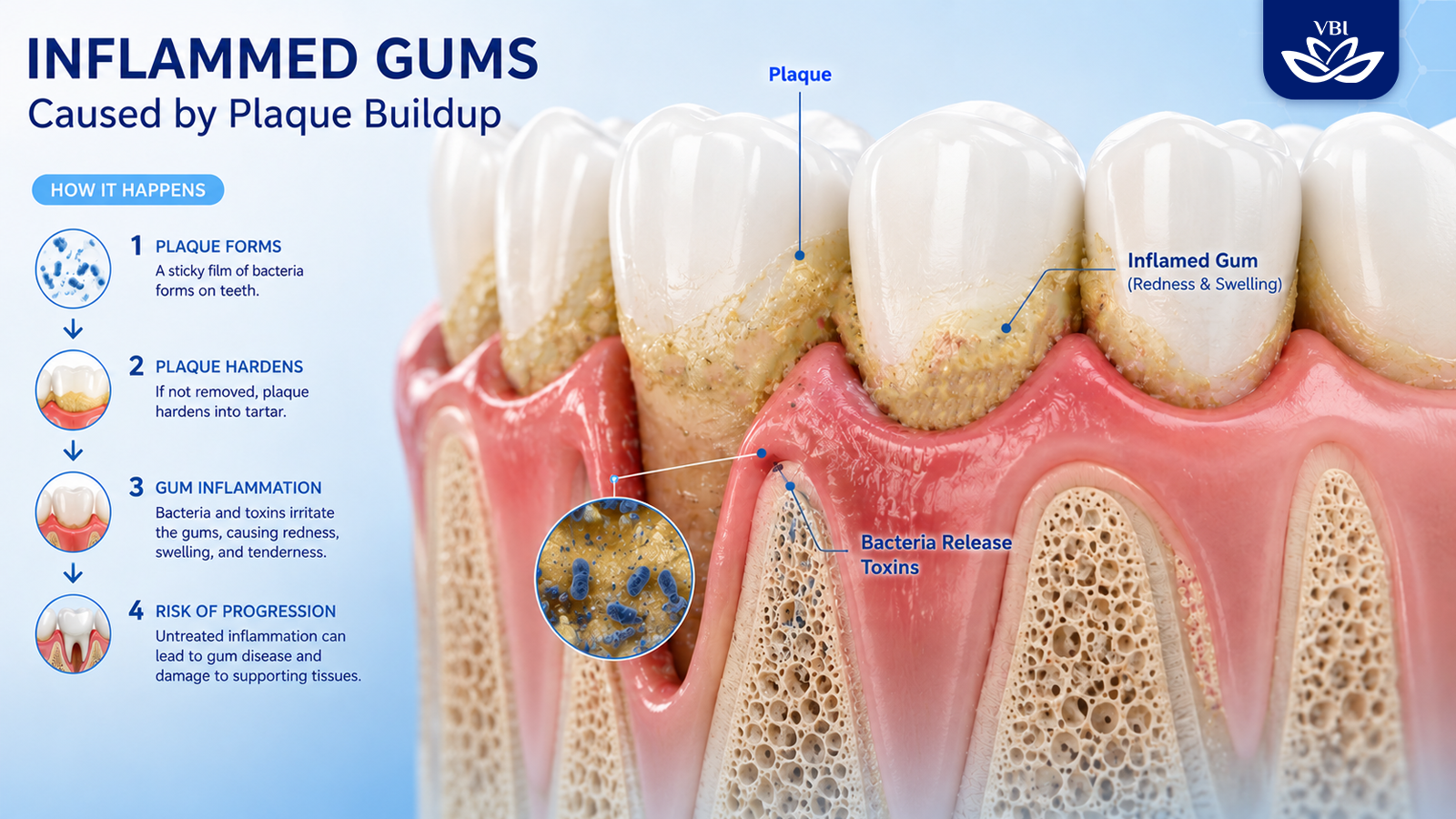
1. Plaque and Tartar Buildup (Gingivitis)
When food particles mix with saliva, they form a sticky film called plaque. If not brushed away every 12 hours, plaque hardens into a calcified substance called tartar (calculus). Tartar severely irritates the gingival tissue. This persistent irritation causes the gums to swell, turn dark red, and bleed at the slightest touch.
2. Aggressive Brushing and Hard Bristles
Sometimes, the problem isn’t a lack of cleaning, but rather how you clean. Vigorously scrubbing your teeth with a hard-bristled brush physically tears the delicate gum tissue. We always advise our international patients to switch to ultra-soft bristles and let the sweeping motion—not raw force—do the cleaning.
3. Vitamin Deficiencies and Lifestyle Factors
A lack of Vitamin C or Vitamin K can weaken blood vessels, making your gums highly susceptible to bleeding. Additionally, high stress levels from relocating to a bustling city like Hanoi can suppress your immune system, making it harder for your body to fight off mild gum infections.
When Do Bleeding Gums Become a Dental Emergency?
Occasional bleeding might result from brushing too hard, but chronic bleeding combined with bad breath, receding gums, or loose teeth indicates a severe dental emergency. If your gums bleed persistently every time you brush or floss, it is no longer a minor irritation—it is a medical red flag requiring prompt diagnosis to prevent irreversible jawbone deterioration.
Many expats ignore these symptoms due to a fear of language barriers or hidden costs at local clinics. However, waiting until you feel severe pain is a dangerous strategy.
Warning Signs of Periodontitis
If gingivitis is ignored, it evolves into periodontitis. This advanced stage of gum disease destroys the jawbone supporting your teeth. Watch out for chronic bad breath (halitosis), pus between your teeth, or a sudden change in how your teeth fit together when you bite. At this stage, standard swollen gums treatment at home will no longer work.
The ‘Expat Tax’ Myth: Transparent Diagnostics at Viet Bi
A major concern for foreigners in Hanoi is the notorious “expat tax”—being overcharged simply for being an expatriate. At Viet Bi Dental Clinic, we completely eliminate this anxiety. Our consultations provide transparent, itemized billing in both VND and USD. We ensure you fully understand your diagnostic results without any linguistic or financial confusion.
How to Stop Bleeding Gums at Home and Clinically
To effectively halt gum bleeding, you must combine diligent at-home oral hygiene with professional clinical intervention. At home, switching to a soft-bristled brush and flossing daily disrupts soft plaque. However, once plaque hardens into tartar, only a dentist can remove it. A professional ultrasonic scaling session is the most definitive way to eliminate the bacteria causing your gums to bleed and recede.
Patients often ask us how to stop bleeding gums quickly. The reality is that there is no overnight miracle cure, but a dual approach works wonders.
Correct Brushing Techniques and Interdental Care
Start by brushing twice a day for a full two minutes using a gentle, circular motion. Incorporate water flossers or traditional string floss to clean the tight spaces between your teeth where your brush cannot reach. Furthermore, using a therapeutic mouthwash can help reduce overall bacterial loads.
Professional Ultrasonic Scaling: The Ultimate Solution
No amount of home brushing can remove calcified tartar. For expats and tourists seeking top-tier hygiene, experiencing a painless teeth scaling hanoi old quarter is the ultimate clinical solution. We utilize premium Swiss EMS technology that uses high-frequency vibrations and a gentle water spray to flush out bacteria beneath the gumline without causing pain.
Are you an expat in Hanoi struggling with sensitive, bleeding gums? Contact our English-speaking specialists immediately via WhatsApp to book a free periodontal check-up today!




Bài viết liên quan
Do Dental Implants Hurt? Pain Management in Vietnam Clinics
Many patients ask whether the procedure will cause significant discomfort. The definitive clinical reality is...
Dental Implant Failure Symptoms: Causes & How to Fix It
Dental implants represent a highly predictable restorative solution in modern dentistry, but they are not...
The Hidden Risks of Cheap Dental Implants Overseas
Seeking affordable dental care abroad sounds highly appealing. But what are the actual cheap dental...
Using Super for Dental Implants: Australian Guidelines 2026
Many patients ask about using super for dental implants and navigating the ATO compassionate release...