
 Mon - Sun 8:00 - 19:00
Patients frequently ask how long do implants take from the initial surgery to the final restoration. The comprehensive timeline for a standard dental implant procedure typically spans between three to nine months, heavily dependent on your jaw anatomy and surgical complexity. The initial surgical placement requires minimal clinical time, but the subsequent biological healing phase demands profound patience. This critical interval involves a process where structural and functional connections form between living bone and the titanium surface. When asked how long do implants take for the lower jaw, this process usually completes within three to four months due to high cortical bone density. Maxillary implants in the upper jaw feature lower trabecular bone density and generally require four to six months for adequate stabilization. If ancillary procedures like sinus lifts or extensive bone grafting are necessary, the overall timeline can extend to nine or twelve months. Success relies entirely on ensuring the artificial root can withstand occlusal masticatory forces without mechanical failure.
The biological process of osseointegration requires an average of 3 to 6 months to establish a functional connection between living bone and a load-bearing endosseous implant, according to systemic reviews published on PubMed. When evaluating how long do implants take, achieving immediate loading viability demands an Implant Stability Quotient (ISQ) exceeding 70 and an insertion torque of 35 Ncm or greater, based on resonance frequency analysis protocols. Furthermore, biomechanical micromobility at the bone-implant interface must remain strictly below the 150-micrometer physiological threshold during the initial healing phase to prevent fibrous encapsulation and ensure clinical survival.
How Long Do Implants Take? The Biological Foundation
Osseointegration represents the fundamental biological foundation that dictates exactly how long do implants take to heal. This complex physiological cascade involves immune-inflammatory responses, osteogenesis, and continuous bone remodeling. While the titanium fixture provides immediate mechanical interlocking, true biological fixation requires cellular adaptation over several months. Understanding this cellular journey helps patients manage their expectations and highlights why the healing phase cannot be rushed without jeopardizing long-term stability.
The genesis of osseointegration as a scientifically documented concept was introduced in 1969 by Per-Ingvar Branemark, a professor at the Institute of Applied Biotechnology at the University of Gothenburg. He defined it clinically as a direct structural and functional connection between ordered living bone and the surface of a load-covering implant. At the microscopic level, this connection means there is no interposition of non-bone soft tissue between the normal remodeled bone and the implant surface. This direct interface entails a sustained transfer and distribution of load from the artificial crown directly into the bone tissue. When a titanium implant is placed, a layer of Titanium Dioxide (TiO2) forms over the surface due to natural oxidation. This specific oxide layer is the critical catalyst. It influences the earliest stages of biomineralization by allowing calcium and phosphate ions to rapidly adsorb onto the metallic surface, tricking the human body into recognizing the metal as a biocompatible framework rather than a hostile foreign object.
The early events following the surgical placement are primarily governed by immune-inflammatory responses. The microenvironment initially considers the implant a foreign body. Blood immediately coagulates around the microscopic threads of the titanium screw, forming a protective hematoma. This clot acts as a provisional biological scaffold. Within the first week, a process called neovascularization begins. Newly formed blood vessels penetrate the hematoma, delivering essential nutrients, oxygen, and undifferentiated mesenchymal stem cells to the surgical site. These osteoprogenitor cells undergo a specific differentiation pathway, transforming directly into osteoblasts (bone-building cells). Crucially, clinical observations verify that this occurs via intramembranous ossification. This means the bone forms directly without having to go through a preliminary cartilage phase, which would otherwise delay the dental implant healing time and extend how long do implants take.
As the biological clock ticks, osseointegration follows three highly organized developmental stages. The first stage involves the rapid incorporation of the implant into the jaw via the formation of woven bone. Woven bone is a highly cellular, disorganized tissue that grows swiftly (up to 50 micrometers per day), filling the gaps between the implant threads and the surgical osteotomy. However, woven bone lacks significant load-bearing strength. The second stage, spanning from week four to week twelve, is the period of bone mass adaptation. During this phase, the weak woven bone is systematically resorbed and replaced by lamellar and parallel-fibered bone. This mature bone structure features highly organized collagen fibers aligned to resist tension and compression. The final stage is continuous bone structure adaptation, or remodeling. Even after the final porcelain crown is attached, mechanosensitive osteocytes—stellate-shaped cells trapped within the mineralized bone matrix—detect masticatory forces. They continuously direct the remodeling of the bone around the implant to adapt to the specific chewing loads of the individual patient.
Anatomical location profoundly dictates the pace of this biological timeline. To understand how long do implants take in different regions, we must look at bone density. The human skull features distinct variations in bone architecture.
| Anatomical Region | Predominant Bone Type | Density Classification | Average Osseointegration Timeline |
| Anterior Mandible (Lower Front) | Dense Cortical Bone | D1 / D2 | 3 to 4 months |
| Posterior Mandible (Lower Back) | Cortical / Trabecular | D2 | 3 to 4 months |
| Anterior Maxilla (Upper Front) | Porous Trabecular | D3 | 4 to 6 months |
| Posterior Maxilla (Upper Back) | Highly Porous Trabecular | D4 | 4 to 6 months |
Implants placed in the lower jaw integrate at a substantially faster rate. The mandible consists primarily of dense, thick cortical bone, providing excellent initial grip and a robust cellular environment. Consequently, mandibular healing usually concludes within three to four months. Conversely, the maxilla features a much softer, highly porous trabecular structure, often compared to the consistency of balsa wood or styrofoam in extreme cases. This lower density severely limits the initial mechanical friction and requires a significantly longer duration for the bone cells to bridge the gaps. Upper jaw implants routinely require four to six months to achieve the same level of biological fixation.

Primary Stability and the Physics of Immediate Loading
The decision to execute an immediate implant placement hinges entirely on achieving optimal primary stability during surgery, determining how long do implants take to safely bear a load. This mechanical engagement between the titanium threads and the surrounding alveolar bone dictates whether a provisional crown can be attached immediately. Clinicians rely on objective biomechanical metrics, specifically insertion torque and resonance frequency analysis, to confirm that the implant can safely withstand early masticatory forces without experiencing detrimental micro-movements.
Primary stability is the purely mechanical friction achieved when the implant physically engages the prepared walls of the jawbone during surgical insertion. It is the solitary factor that prevents the implant from simply falling out of the socket on day one. To classify a case as suitable for immediate loading—meaning a provisional prosthesis is placed in occlusion within 72 hours of surgery—the implant must exhibit exceptional primary stability. Clinicians measure this stability using two distinct, scientifically validated metrics.
The first metric is Insertion Torque (IT), measured in Newton centimeters (Ncm). Insertion torque represents the exact rotational force required by the surgical motor to drive the implant into its final seated position. Current surgical guidelines indicate that the clinical threshold for immediate loading is an insertion torque of 35 Ncm or greater. Some protocols accept a range between 30 and 45 Ncm, which ensures adequate frictional strength for the implant-abutment connection without inducing excessive compression. Excessive torque (e.g., above 50 Ncm in very dense bone) can cause pressure necrosis, a condition where the surrounding bone dies from lack of blood flow, ironically leading to massive bone loss and implant failure. Conversely, if the insertion torque falls below 15 Ncm, immediate loading is strictly contraindicated. Research demonstrates that a minimum torque of 11.57 Ncm guarantees failure if loaded, as micromobility will exceed safe limits, resulting entirely in fibrointegration rather than true osseointegration. In low-torque scenarios (under 10 Ncm), the only scientifically sound approach is to cover the implant with a submerged healing cap and execute a delayed loading protocol, waiting 8 to 12 weeks for biological stability to take over.
The second, and arguably more sophisticated metric, is the Implant Stability Quotient (ISQ). Unlike torque, which can only be measured once during the exact moment of placement, ISQ is measured via Resonance Frequency Analysis (RFA). This non-invasive diagnostic technique utilizes magnetic pulses emitted from a specialized device (such as the Osstell Mentor) to record the stiffness of the bone-implant interface. The device vibrates a small magnetic peg attached to the implant and measures the frequency of the returning sound waves. This yields an objective score from 1 to 100. For immediate loading protocols, ISQ values must conclusively exceed a threshold of 60 to 65, with values above 70 considered highly optimal. Because RFA does not require physically twisting the implant, clinicians can use it to continuously monitor stability over the subsequent months, tracking the transition from mechanical primary stability to biological secondary stability.
Biomechanical micromobility represents the most lethal threat to early implant survival. When an implant is subjected to biting forces, it moves microscopically within the bone. Human physiology is remarkably sensitive to this movement. During the initial osteointegration stage, the surrounding bone will only tolerate micromotions that do not exceed a physiological threshold of 50 to 150 micrometers (µm). To put this in perspective, 150 microns is roughly the thickness of two human hairs.
| Metric | Measurement Unit | Clinical Threshold for Immediate Loading | Risk of Failure if Not Met |
| Insertion Torque (IT) | Newton centimeters (Ncm) | ≥ 35 Ncm | High micromobility under load |
| Implant Stability Quotient | ISQ Scale (1-100) | ≥ 65 (Preferably >70) | Insufficient interface stiffness |
| Micromobility | Micrometers (µm) | < 150 µm | Guaranteed Fibrous Encapsulation |
Extensive biomechanical studies, including human post-mortem analyses, confirm these strict limits. Research indicates that the average micromotion for successfully osseointegrated implants remains below 40 µm. Conversely, implants that failed and exhibited fibrous encapsulation routinely demonstrated micromotion exceeding 150 µm, sometimes reaching up to 349 µm in animal models. In controlled in-vitro studies testing over 60 implants across various internal and external connection systems, incremental loads ranging from 20 to 200 Newtons were applied at a 30-degree angle to simulate human chewing. The results consistently proved that if the load pushes the implant past the 150 µm limit, the differentiating osteoblast cells are literally torn away from the titanium surface. The human body, sensing ongoing trauma, abandons bone formation and defaults to a soft-tissue repair mechanism. A thick layer of non-mineralized scar tissue forms around the implant. This fibrous encapsulation guarantees clinical failure, requiring the surgical removal of the loose implant.
Furthermore, executing immediate implant placement in the highly visible anterior esthetic zone demands strict adherence to specific anatomical prerequisites. Case selection is paramount. Indications require a completely intact buccal (facial) bone wall, the absolute absence of acute purulent infection, and a thick, favorable soft tissue phenotype. Advanced surgical guidelines advocate for raising no buccal flap during the extraction to preserve the delicate periosteal blood supply. Gap management is also critical. If the distance between the implant body and the facial bone exceeds 2 mm, clinicians must immediately pack the void with bone grafting materials (such as xenografts or allografts) to preserve the buccal bone dimensions and prevent severe soft tissue recession.
How Surface Modifications Accelerate Healing
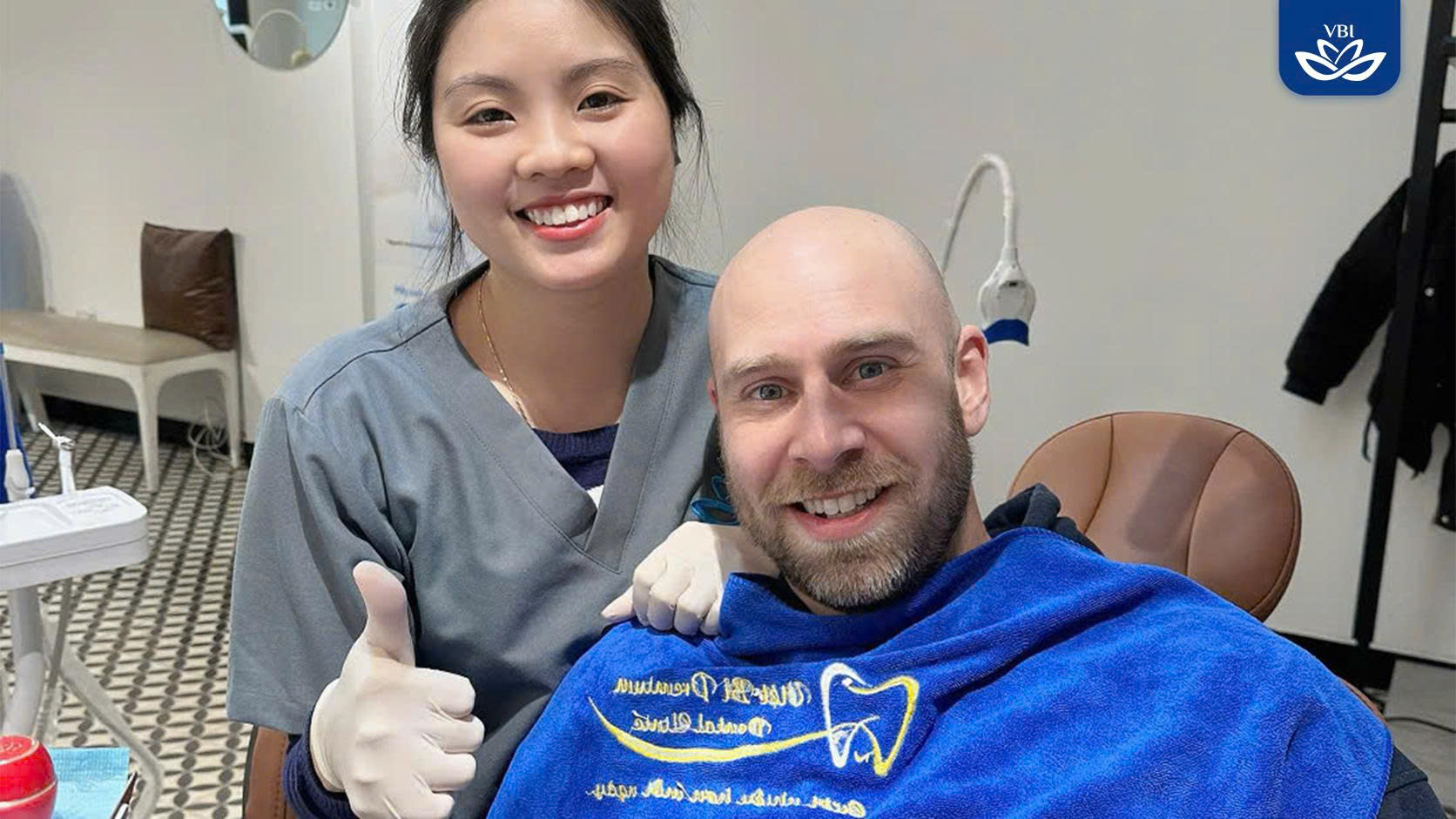
Surface modifications play a pivotal role in accelerating the dental implant healing time by enhancing cellular adhesion at the microscopic level. When patients wonder how long do implants take with advanced technology, SLA Active provides the answer. By altering the surface energy and contact angle, these advanced fixtures promote faster blood plasma coating, enabling clinicians to safely restore teeth in a fraction of the conventional timeframe.
For decades, the gold standard in implant manufacturing was the Sandblasted, Large-grit, Acid-etched (SLA) surface. The titanium was blasted with corundum particles to create a macro-roughness, then etched in strong acids (like hydrochloric and sulfuric acid) to create a micro-roughness. This topography dramatically increased the total surface area available for bone interlocking compared to old, machine-polished screws. However, conventional SLA surfaces possess a critical limitation: they are inherently hydrophobic (water-repellent). Due to exposure to the atmosphere during manufacturing and storage, a layer of hydrocarbons coats the titanium, resulting in a high contact angle of approximately 138 degrees. When placed into the bloody environment of a surgical site, bodily fluids bead up rather than spreading evenly, delaying the initial cascade of protein adsorption.
To overcome this biological bottleneck, material scientists developed chemically modified, super-hydrophilic surfaces, widely marketed as SLActive. The manufacturing process involves executing the acid-etching step under an inert nitrogen atmosphere and immediately storing the implant in an isotonic saline solution. This entirely prevents atmospheric hydrocarbons from contaminating the titanium dioxide layer. The result is a surface with extreme surface energy and a contact angle approaching 0 degrees.
The clinical implications of this super-hydrophilicity are profound. When an SLA Active implant contacts human blood, the fluid instantaneously wicks up the threads, coating the entire surface. This immediate wetting allows critical adhesion proteins, such as fibronectin and vitronectin, to bind to the titanium within seconds. Consequently, the biological advantage becomes blatantly evident during the earliest, most vulnerable phases of wound healing. Human histological studies demonstrate that SLA Active implants exhibit substantially greater Bone-to-Implant Contact (BIC) during the critical first two to four weeks compared to conventional hydrophobic surfaces.
Under microscopic analysis at the two-week mark, while traditional implants are just beginning to form rudimentary woven bone, chemically modified SLA implants demonstrate significantly more developed, highly organized bone structures. Researchers observe distinct reversal lines—the microscopic interfaces between old host bone and the newly deposited osteoid matrix—indicating vigorous primary plexiform formation. In vitro studies tracking HSC-2 epithelial cells via time-lapse microscopy reveal that these super-hydrophilic surfaces induce greater cell spreading and higher motility. Furthermore, they accelerate the mRNA expression of vital differentiation markers and local growth factors, such as KRT14, ITGA6, ITGB4, and TGF-β1, heavily promoting rapid osteogenic differentiation.
This accelerated osteogenesis is practically a game of bridging the “stability dip.” Around weeks three and four, primary mechanical stability naturally drops as the traumatized bone immediately touching the implant is resorbed by osteoclasts. Simultaneously, secondary biological stability from new bone formation is slowly rising. With conventional implants, this creates a dangerous window where total stability is at lowest, making the implant highly susceptible to micromobility failures. However, the rapid bone formation triggered by hydrophilic surfaces effectively bridges this dip. The secondary stability ramps up so quickly that it compensates for the loss of primary stability, maintaining consistently high ISQ values throughout the first month.
| Time Post-Surgery | Conventional SLA (Hydrophobic) | SLA Active (Super-Hydrophilic) | Clinical Implication |
| Day 0 | Slow protein adsorption | Instantaneous blood wetting | Faster initiation of clotting cascade |
| Week 2 | Rudimentary woven bone | Developed bone, reversal lines | Accelerated primary plexiform formation |
| Week 3-4 | High risk “Stability Dip” | Stability maintained | Bridging the critical vulnerability window |
| Week 6-8 | Ready for conventional loading | Ready for functional loading | Time savings for the patient |
| Week 12 | Complete Osseointegration | Complete Osseointegration | Equal long-term survival rates |
Due to this hyper-accelerated timeline, major implant manufacturers and clinical researchers assert that bioactive, super-hydrophilic surfaces safely permit functional loading as early as 21 to 45 days, even in compromised, porous D3 or D4 bone densities. While systematic reviews indicate that the long-term survival rates and final ISQ levels between SLA and SLA Active implants equalize after 12 weeks , the immediate, undeniable clinical benefit lies in drastically shortening the waiting period for patients eager to complete their restorative journey safely.
The Impact of Bone Grafting and Sinus Augmentation
Insufficient alveolar bone volume represents a primary variable that can significantly extend the overall surgical timeline. It drastically changes the equation of how long do implants take for complete rehabilitation. When severe bone resorption occurs, ancillary procedures such as guided bone regeneration or sinus lifts become absolute prerequisites. These grafting protocols require their own dedicated physiological healing periods, as the human body must establish a completely new vascular network to integrate the graft material before accommodating a titanium fixture.
Tooth loss is not a static event; it initiates a relentless cascade of morphological changes in the alveolar ridge. The jawbone exists to support the roots of the teeth. When a tooth is extracted, the lack of biomechanical stimulation causes the surrounding bone to rapidly atrophy, shrinking both horizontally in width and vertically in height. If a patient presents with a severely compromised ridge, clinicians cannot simply drive a titanium screw into thin air. They must execute Guided Bone Regeneration (GBR) to reconstruct the skeletal foundation.
GBR procedures introduce particulate graft materials into the defect to act as an osteoconductive scaffold. Surgeons frequently utilize xenografts (such as bovine porous bone mineral) due to their slow resorption rate and excellent space-maintaining properties, often covering them with resorbable porcine collagen membranes to prevent fast-growing gum tissue from invading the bone graft site. The incorporation of this non-living graft material requires immense physiological effort. Over several months, the body must initiate profound neovascularization. Capillaries must physically grow from the host bone deep into the porous structure of the graft, establishing a completely new blood supply to sustain cellular life. Once blood flow is established, osteoclasts slowly dissolve the bovine mineral, while osteoblasts lay down native human bone in its place.
For minor contouring, grafting may occur simultaneously with implant placement, adding minimal time to the overall sequence. However, for massive vertical or horizontal deficiencies, the graft must heal independently for four to six months before the site possesses sufficient density to even accept an implant. Advanced clinical trials utilizing innovative materials, such as Gyroid-3DHA (hydroxyapatite) blocks in animal models, demonstrate that even highly engineered scaffolds require at least 8 to 12 weeks of undisturbed healing before secondary implant placement can yield acceptable Bone-to-Implant Contact (BIC).
Maxillary posterior regions present an exceptionally demanding anatomical challenge due to the proximity of the maxillary sinus cavities. Following the extraction of upper premolars and molars, a phenomenon known as pneumatization frequently occurs. The air-filled sinus cavity expands downwards, eroding the crestal bone from the inside out, often leaving an extremely thin cortical plate (sometimes only 1-2 mm thick) that is entirely insufficient for anchorage.
To overcome this, a sinus lift (sinus floor elevation) procedure is mandatory. The surgeon carefully accesses the lateral wall of the maxilla, delicately lifts the Schneiderian membrane lining the sinus, and packs dense bone graft material into the newly created space beneath the membrane. This highly specialized, technique-sensitive augmentation typically adds a minimum of six to nine months to the timeline. The sinus graft must completely consolidate, mature, and transform into dense, load-bearing bone before an implant can be safely torqued into position. Any attempt to rush a sinus graft virtually guarantees that the implant will displace upward into the sinus cavity, requiring complex retrieval surgery.
Anatomical and Systemic Variables Influencing Healing
Systemic health conditions and localized anatomical variations profoundly influence the biological velocity of osteogenesis. Metabolic disorders, diminished bone density, and adverse lifestyle habits disrupt microvascular circulation, directly impairing the cellular mechanisms required for osseointegration. Identifying these physiological risk factors allows clinicians to adjust the treatment timeline accurately, ensuring that the host bone possesses adequate regenerative capacity to secure the implant prior to any functional loading.
The baseline metabolic health of the host environment strictly limits the velocity of bone formation. Systemic conditions such as poorly controlled Type 2 diabetes mellitus create a hostile environment for osseointegration. Hyperglycemia disrupts peripheral microvascular circulation, severely impairing the delivery of oxygen, nutrients, and immune cells to the surgical osteotomy. High blood sugar levels actively inhibit osteoblast proliferation, alter collagen synthesis, and impair the function of macrophages, which are essential for clearing surgical debris. When determining how long do implants take for diabetic patients, we routinely observe drastically extended periods. In randomized controlled trials comparing healing times, diabetic cohorts frequently require a minimum of 12 weeks of submerged healing to achieve the same ISQ stability that healthy patients reach in just 6 weeks. Furthermore, diabetic patients face an elevated risk of severe peri-implantitis if subjected to early loading protocols.
Osteoporosis presents another formidable systemic barrier. This condition alters overall bone homeostasis, tilting the cellular balance heavily toward osteoclast-mediated bone resorption rather than osteoblast-mediated bone formation. The resulting highly porous, weak bone structure makes achieving primary insertion torque exceedingly difficult. Furthermore, osteoporotic environments are heavily associated with high levels of Reactive Oxygen Species (ROS), which induce oxidative stress that kills developing bone cells. To combat this, advanced biomaterial research focuses on utilizing composite membranes (such as TA-Rgd@ogp@ang) that ameliorate the high ROS environment. These specialized membranes utilize synthetic osteopontin-derived peptides to actively induce neovascularization, promote early cell migration, and stimulate the osteogenic differentiation of bone marrow mesenchymal stem cells (BMSCs) even under severe osteoporotic distress.
Lifestyle choices, predominantly tobacco smoking, exert a devastating, chemically verifiable effect on the biological timeline. Nicotine acts as a potent, long-lasting vasoconstrictor. It significantly extends how long do implants take by slashing the blood supply to the surgical site. This dramatic reduction in neovascularization deprives the healing bone of critical nutrients. Moreover, the toxic byproducts of inhaled smoke severely compromise the attachment and maturation of the soft tissue complex. Under normal, healthy physiological conditions, the epithelium and connective tissue establish a robust biological seal around the titanium collar of the implant within six to eight weeks following surgery, preventing oral bacteria from invading the bone. In smokers, this delicate soft tissue attachment is constantly disrupted, drastically increasing the risk of bacterial infiltration, aggressive bone loss, and ultimate implant failure.
Patients prescribed systemic medications, particularly oral anticoagulants, also require meticulously tailored timelines. While specialized super-hydrophilic surfaces (like SLActive) show promise in enhancing early peri-implant healing for patients on anticoagulants , clinicians must balance the risk of postoperative bleeding against the desire for rapid restoration. Ultimately, any patient exhibiting compounding systemic risk factors—whether metabolic, pharmaceutical, or lifestyle-driven—must strictly adhere to delayed, conventional loading protocols spanning up to eight months. This is why the precise answer to how long do implants take is highly personalized. The clinical imperative is absolute: allow maximum biological time for the bone-to-implant contact to mature deeply before any occlusal load is permitted to stress the artificial root.
[For a detailed, day-by-day analysis of the procedural steps, review the full surgical timeline covering extraction to final crown delivery.](#)
Patients are strongly encouraged to seek an objective evaluation to determine the specific physiological conditions of their oral anatomy before committing to accelerated treatment plans. The data is clear: while technology offers faster solutions, the biology of the human body remains the ultimate arbiter of success. To get a definitive answer to how long do implants take for your specific case, consult with a specialist who utilizes advanced 3D CBCT imaging to evaluate your bone density and design a safe, predictable roadmap for your restorative journey.
Find out exactly how long do implants take for your bone condition by requesting a personalized consultation today.




Bài viết liên quan
Digital Smile Design in Hanoi: Preview Your Dream Smile Before Treatment Starts
For many international patients from Australia, New Zealand, and local expatriates in Vietnam, the decision...
Laser Teeth Whitening in Hanoi: Safe, Rapid & Bright Results
Achieve a brilliant, photo-ready smile with our professional teeth whitening hanoi services, completed in just...
Painless Teeth Scaling in Hanoi Old Quarter: Viet Bi Premium Experience
Disclaimer: This content is for informational purposes only and does not constitute professional medical advice....
Dental Implant Materials Comparison: Titanium vs Zirconia
An objective dental implant materials comparison helps you choose the safest root replacement. You face...
Bone Graft for Dental Implants: Why It’s Necessary & Recovery
The deterioration of alveolar bone tissue begins immediately following tooth extraction. This rapid physiological decline...
Full Mouth Restoration in Vietnam: Options, Costs & Timeline
A complete full mouth restoration vietnam package includes advanced digital planning and premium materials to...